
What is a batching plant in concrete?

A batching plant (or concrete batching plant) is a facility or system designed to measure and combine raw materials (such as cement, aggregates, water, and additives) in precise proportions to prepare them for concrete mixing. It is a critical component of concrete production, ensuring consistent quality and efficiency in large-scale construction projects. Below is a detailed breakdown of its role and components:
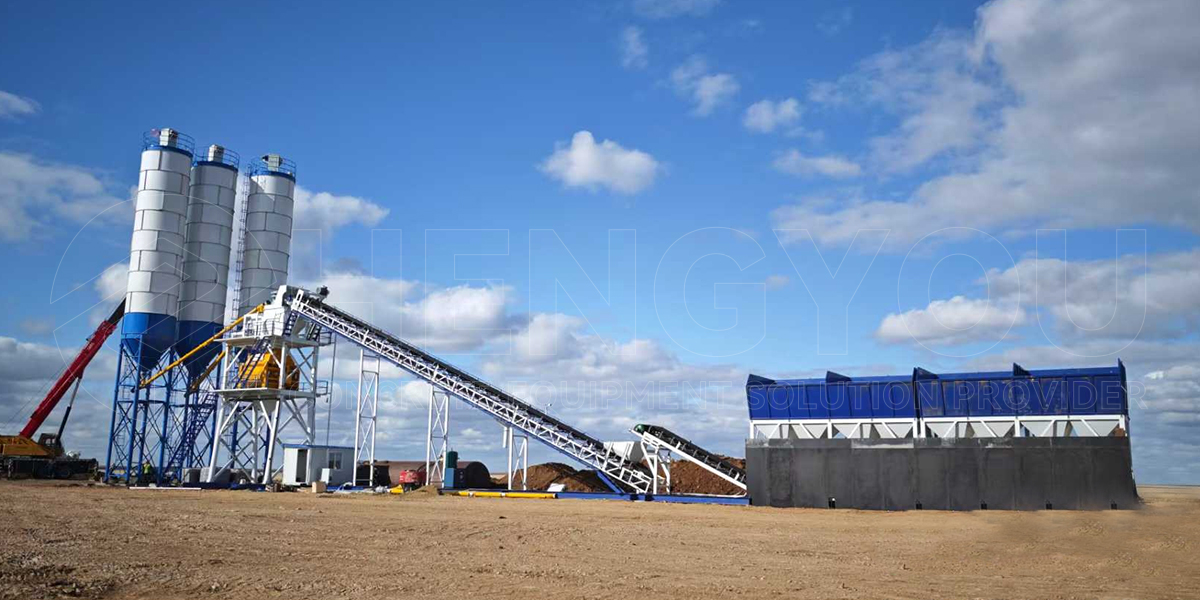
Key Functions of a Batching Plant
Material Measurement:
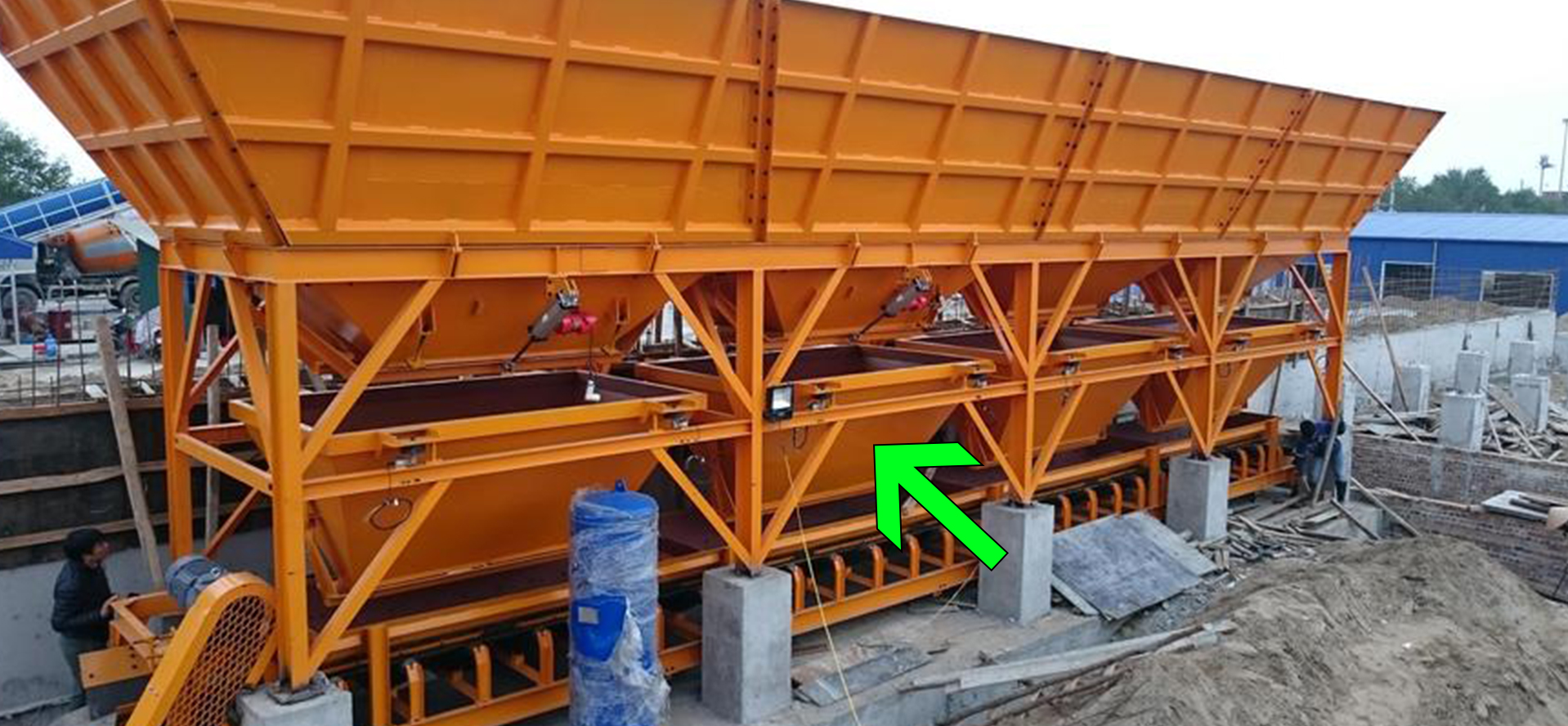
- Aggregates (sand, gravel, stone): Measured by weight or volume using scales or volumetric systems.
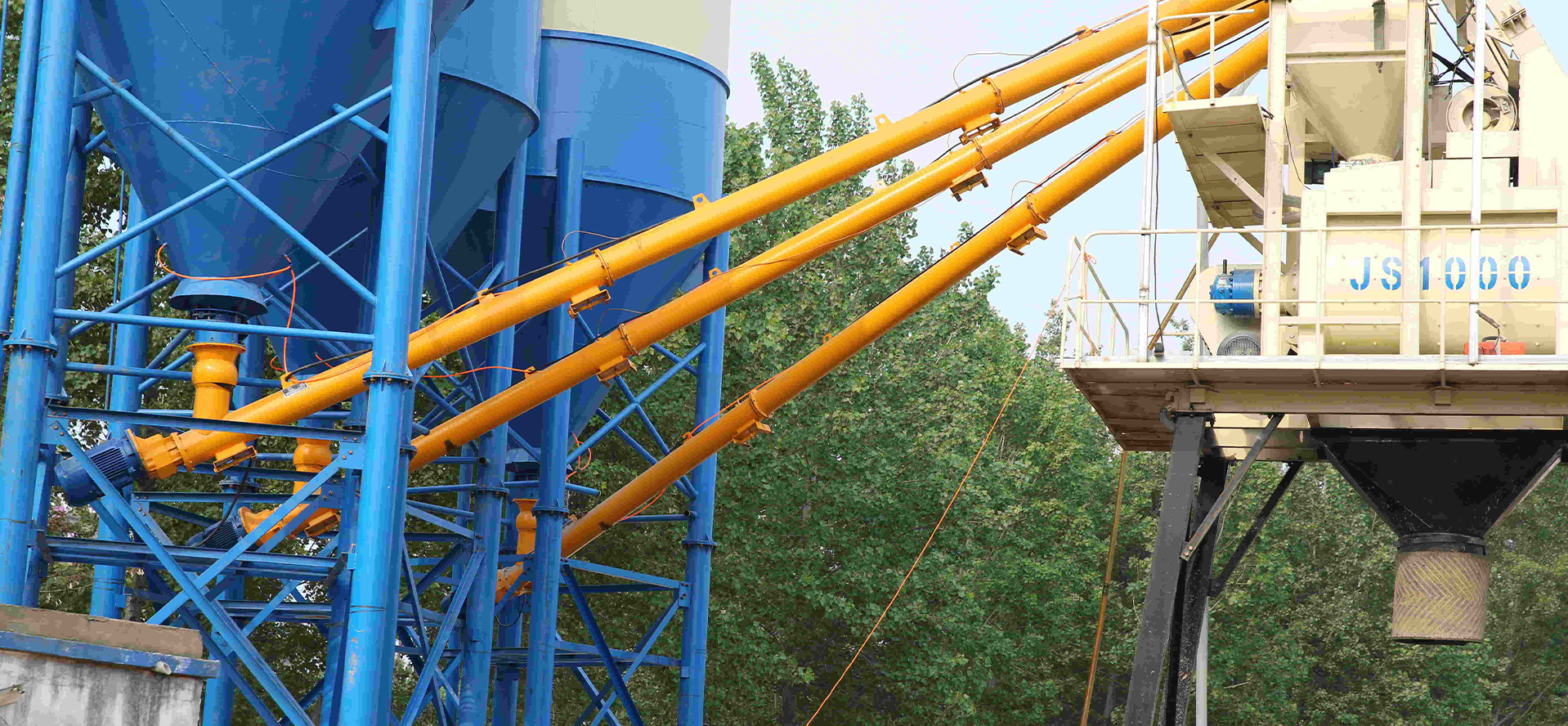
- Cement and Additives: Delivered via screw conveyors or pneumatic systems into weigh hoppers for accurate dosing.
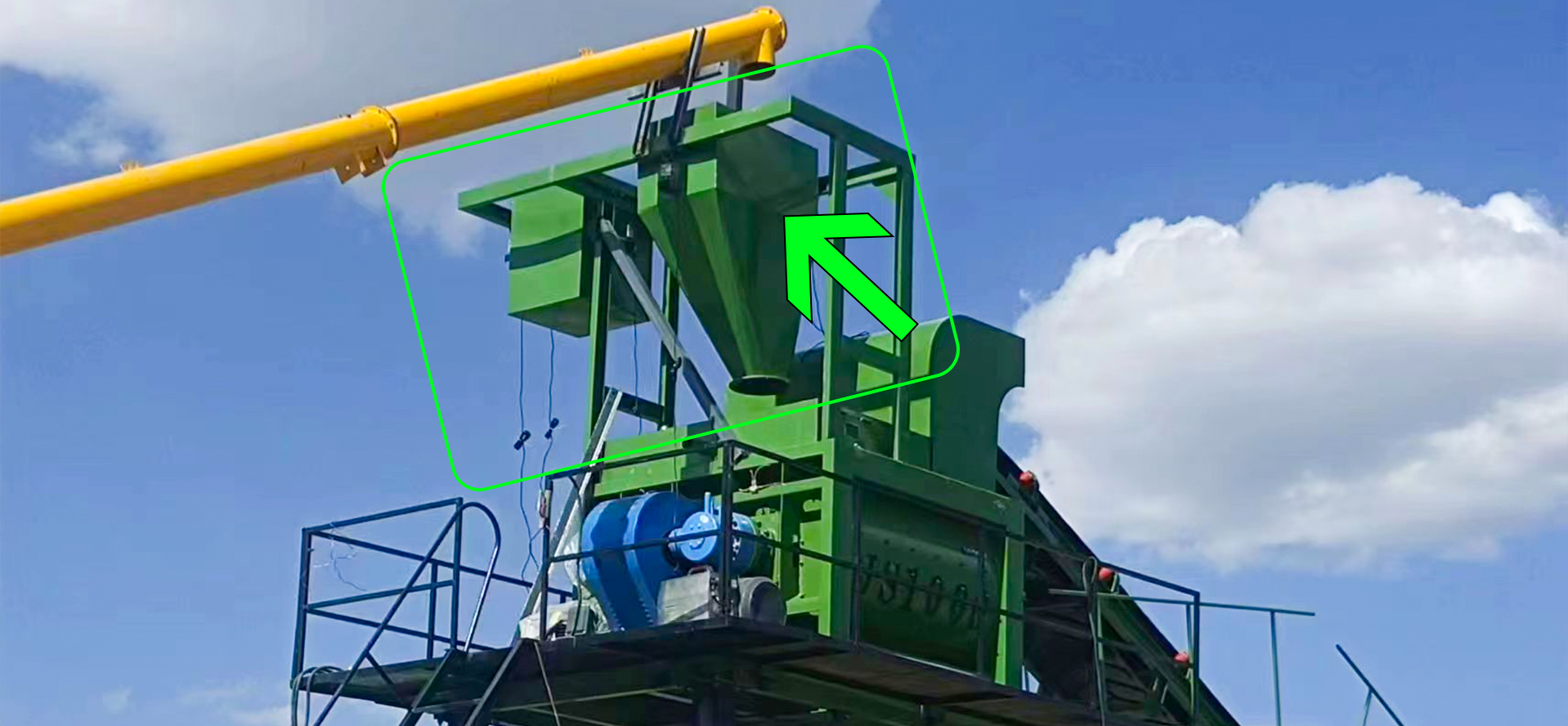
- Water and Liquid Additives: Metered using pumps and flow meters to achieve precise hydration levels.
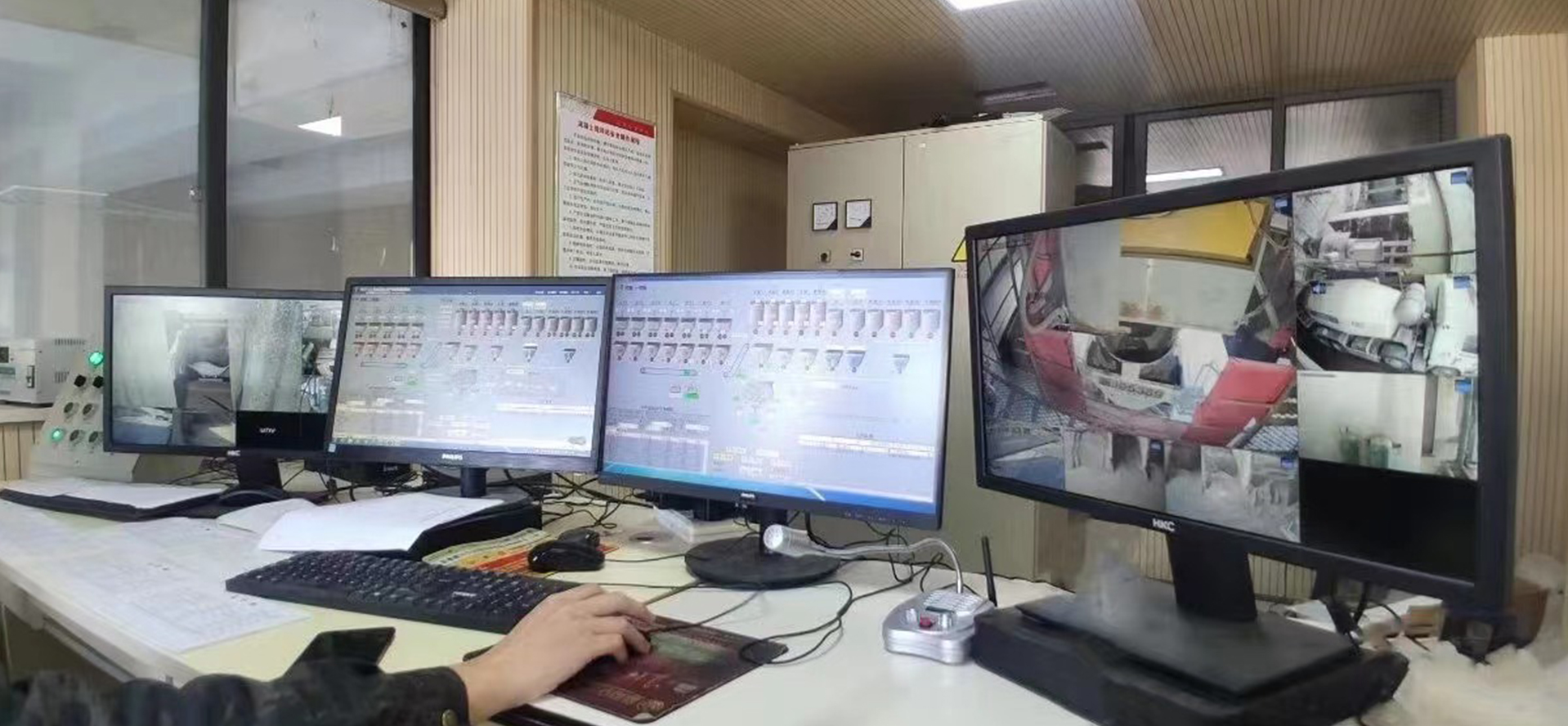
- Automation and Control: A control system (often computerized) manages the batching process, ensuring materials are measured and discharged according to predefined recipes (e.g., 1:2:3 cement:sand:aggregate ratio).
- Real-time monitoring and adjustments for consistency, especially in dynamic environments.
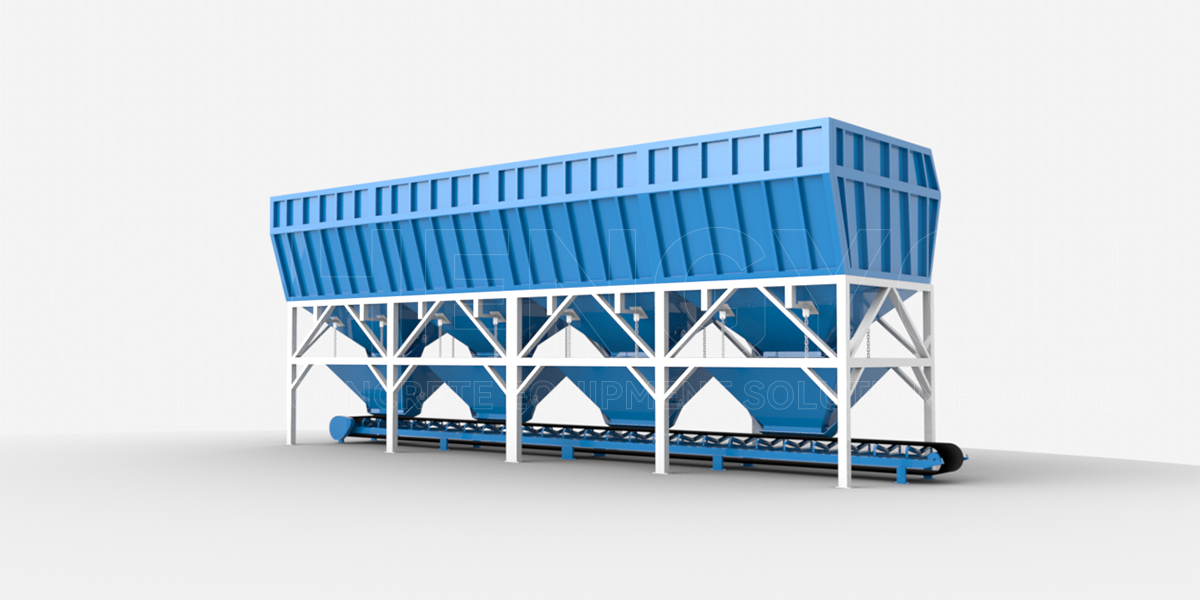
Storage: Aggregate Bins: Separate storage for different-sized aggregates to avoid contamination.
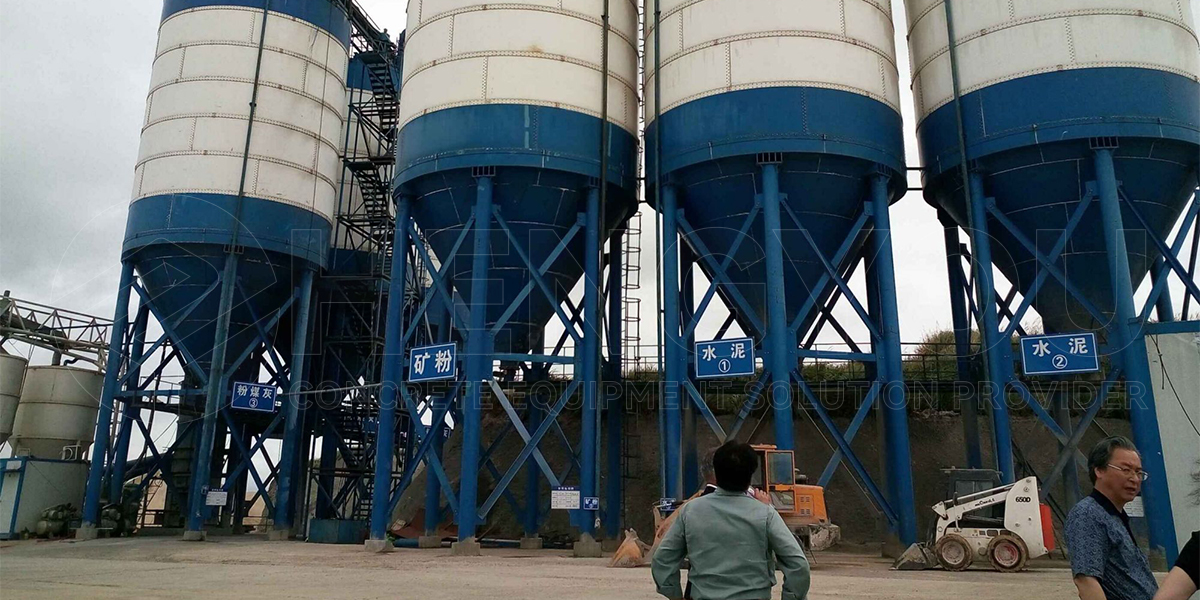
Cement Silos: Tall, cylindrical tanks for dry cement and additives, equipped with dust collection systems.
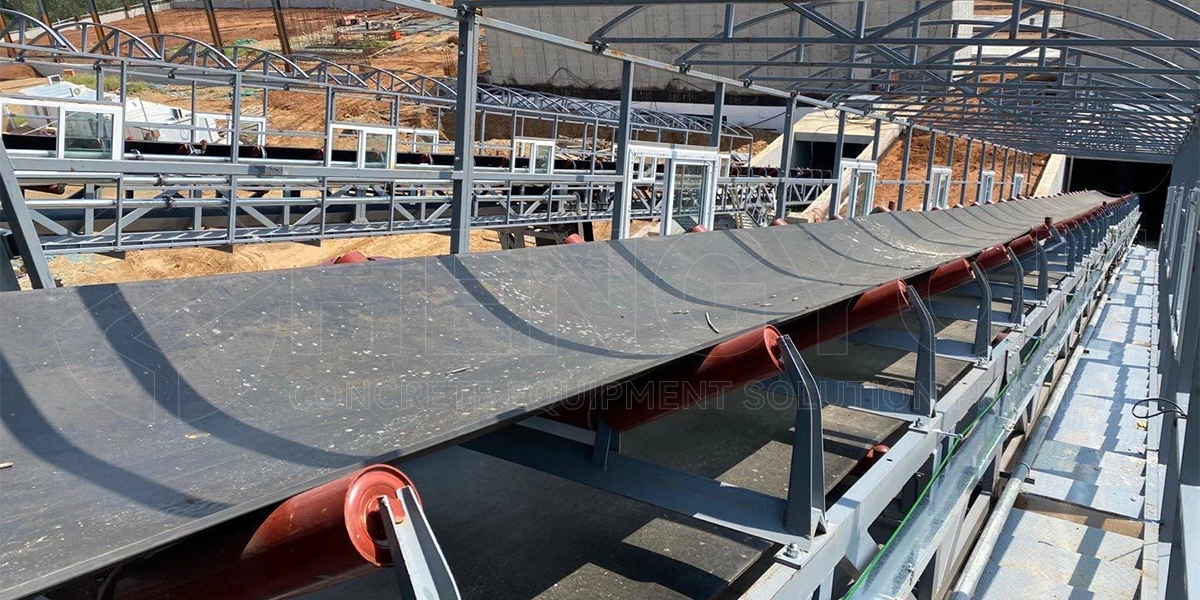
Conveying Systems: Belt Conveyors or Screw Conveyors transport aggregates and powders to the batching area.
Integration with Mixing Equipment: Batching plants are often linked to concrete mixers (e.g., drum mixers, pan mixers) to deliver pre-batched materials for final homogenization.
Types of Batching Plants
- Stationary Batching Plants:Fixed installations at construction sites or precast concrete factories.High production capacity (e.g., HZS60 to HZS240 models, producing 60–240 m³/h).
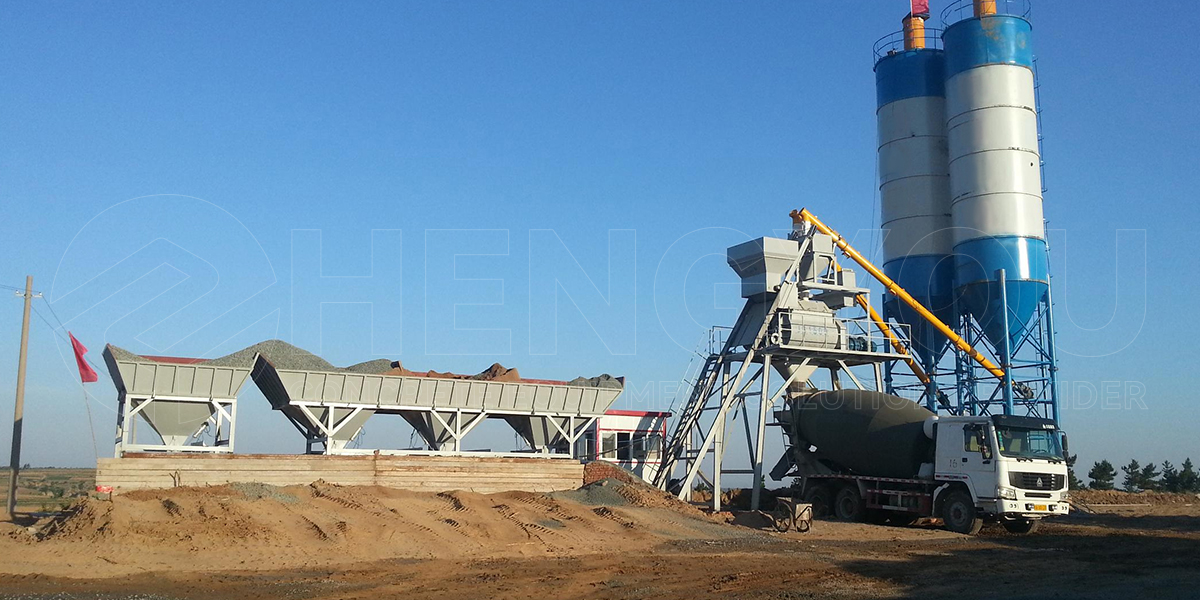
- Mobile Batching Plants:Mounted on trailers or crawlers for portability, ideal for remote or temporary projects (e.g., road construction, small infrastructure works).
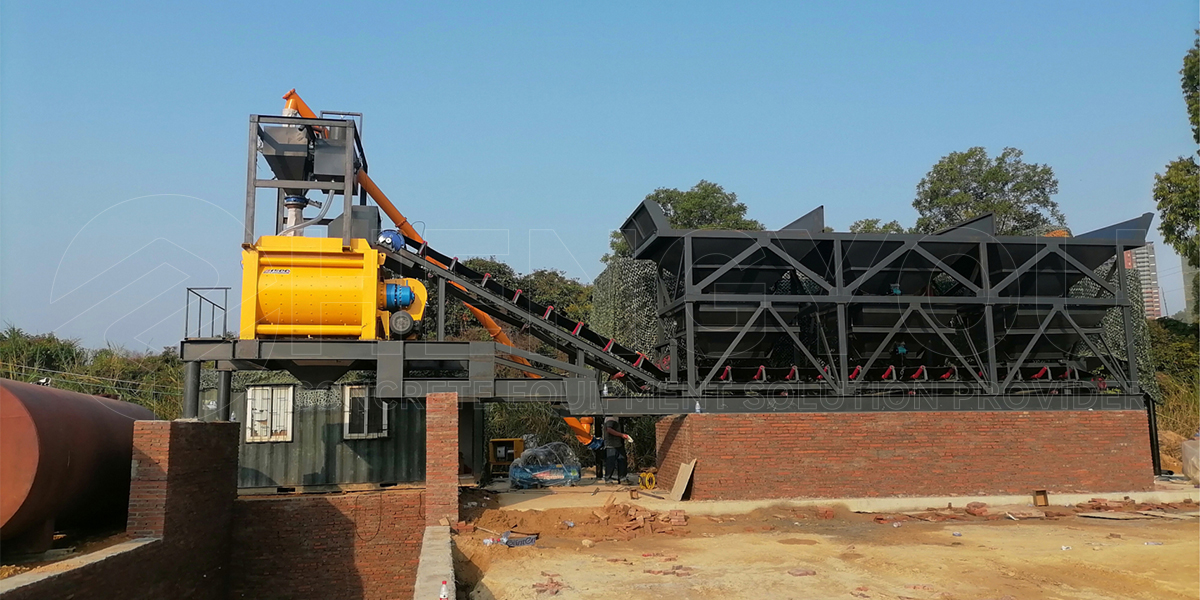
- Ready-Mix Concrete Batching Plants:Specialized for producing ready-mix concrete (RMC) for delivery to multiple job sites via transit mixers.
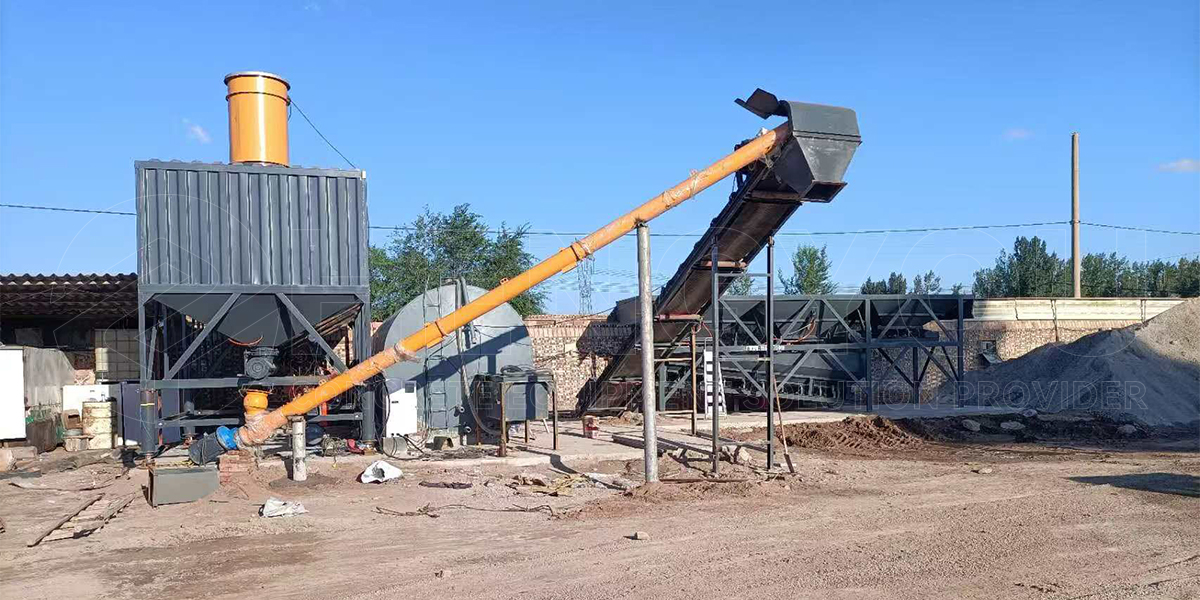
Why Batching Plants Matter
- Precision: Ensures accurate material ratios, reducing waste and rework.
- Efficiency: Automates repetitive tasks, speeding up production and reducing labor costs.
- Consistency: Produces uniform batches, critical for structural integrity and durability.
- Scalability: Adaptable to small (HZS25) or large (HZS240) production needs.
- Compliance: Meets industry standards (e.g., ISO 9001) for quality and safety.
Applications
- Infrastructure Projects: Highways, bridges, tunnels, and dams.
- Commercial/Residential Construction: Skyscrapers, housing developments.
- Industrial Facilities: Factories, power plants, and warehouses.
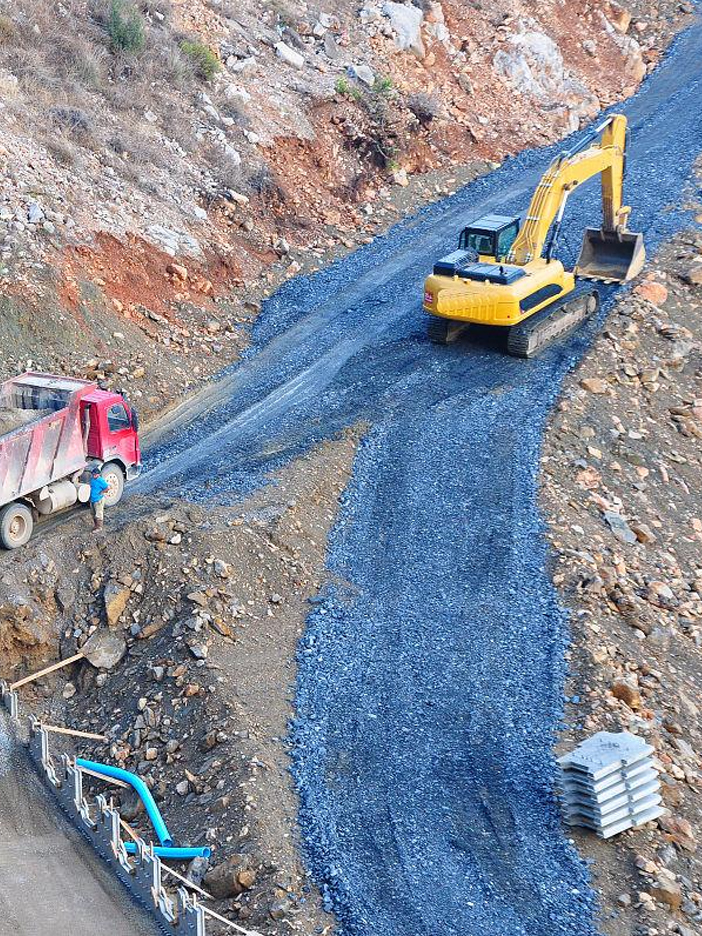
- Road Works: Pavement and drainage systems.


What are the main reasons why concrete mixing plants cannot reach theoretical production capacity?

