
What are the main reasons why concrete mixing plants cannot reach theoretical production capacity?
It is a common problem that the actual production of concrete mixing plants is lower than the theoretical value. The main reasons involve equipment, operation, raw materials, environment and maintenance. The following are the specific reasons and analysis:
1. Equipment Factors
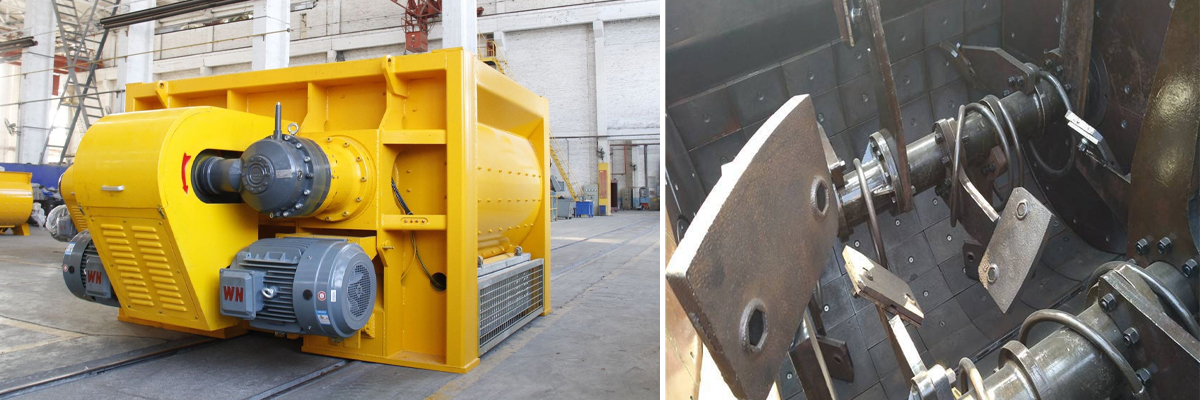
The performance of the mixing host has decreased
- Wear of blades or liners: The mixing blades or liners are worn out due to long-term use, resulting in reduced mixing efficiency and inability to complete mixing quickly.
- Insufficient motor power: When selecting equipment, the motor power does not match the production requirements, resulting in insufficient stirring speed.
- Sealing problem: Poor sealing of the mixing drum may cause material leakage or entry of foreign matter, affecting production continuity.
Insufficient precision of batching system
- Weighing sensor failure: The weighing sensor is aged or inaccurately calibrated, resulting in deviation in the proportion of ingredients, requiring frequent adjustments and reducing efficiency.
- Poor aggregate transportation: The conveyor belt or screw conveyor is blocked or stuck, affecting the aggregate supply speed.
Control system failure
- PLC or control system delay: The control system responds slowly, resulting in poor connection of production processes.
- Sensor signal interference: Sensor signals such as material level and pressure are unstable, causing misoperation or shutdown.
Conveyor system problems:
- Pipeline blockage: Concrete delivery pipelines are blocked due to uneven material dryness or residual foreign matter, resulting in production interruption.
- Insufficient power of the delivery pump: The pumping pressure or flow is insufficient to meet the continuous delivery requirements.
2. Raw materials issues
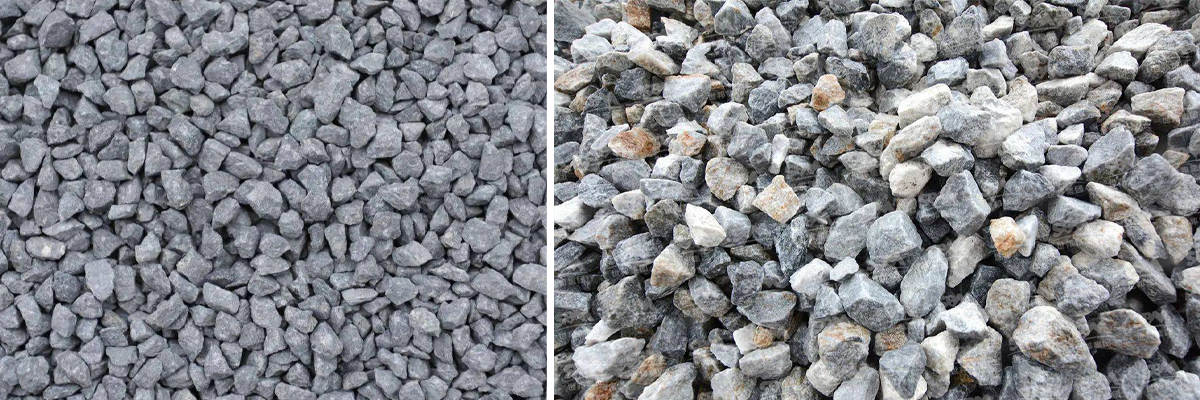
Unstable aggregate quality
- Uneven aggregate particle size: Improper mixing ratio of coarse and fine aggregates, or excessive mud content, resulting in prolonged mixing time or blockage.
- Moisture content fluctuation: The moisture content of sand and gravel is inconsistent, and the amount of water added needs to be adjusted frequently, affecting the production rhythm.
Cement or additive problems
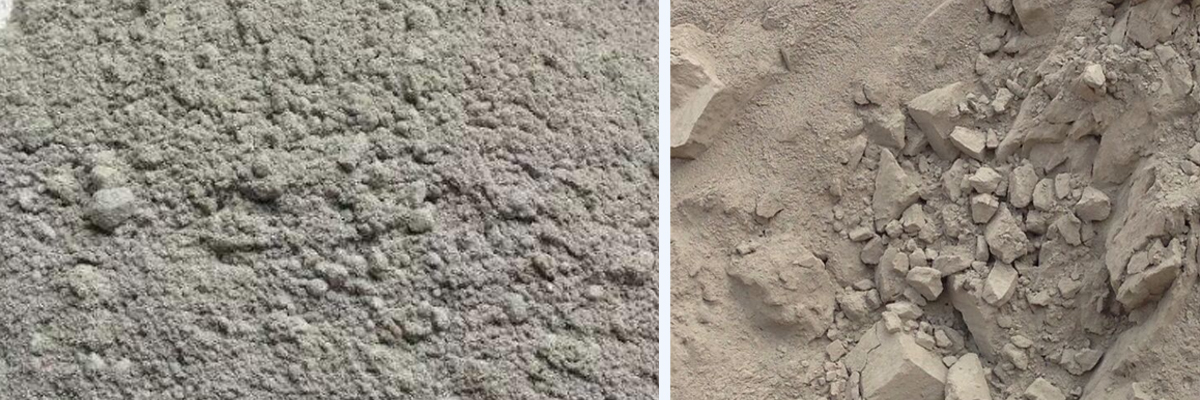
- Cement agglomeration: Cement agglomerates when it becomes damp, which affects its dispersibility and fluidity and reduces mixing efficiency.
- Wrong admixture ratio: Improper addition of water reducer, retarder, etc. results in unstable concrete slump and requires re-debugging.
3. Operation and maintenance factors
Improper operation
- Wrong loading sequence: materials are not added in the order of “aggregate → cement → water”, resulting in uneven mixing or agglomeration.
- Failure to clean up residues in time: Residual concrete in the mixing drum or pipe is not cleaned up, affecting subsequent production efficiency.
Insufficient maintenance
- Insufficient lubrication: poor lubrication of bearings, gears and other parts, resulting in increased wear or jamming of equipment.
- Failure to calibrate regularly: Weighing systems, sensors, etc. are not calibrated regularly, resulting in long-term accumulation of errors.
Insufficient staff training:
Operators are not familiar with equipment parameter settings and troubleshooting, resulting in production interruptions or inefficiencies.
4. Environment and External Conditions
- Unstable power supply: Voltage fluctuations cause frequent equipment starts and stops or performance degradation.
- Extreme weather impact: High temperature causes poor heat dissipation of equipment or too fast evaporation of material moisture; low temperature prolongs the setting time of concrete and requires adjustment of production rhythm.
- Unreasonable site layout: Chaotic stacking of raw materials and unreasonable transportation route design lead to low feeding efficiency.
5. Design or selection defects
- Improper equipment selection:The actual production needs were not fully considered during the initial selection, resulting in a mismatch between the equipment capacity and the project scale.
- System design defects:The connection design of batching, mixing, and conveying links is unreasonable, and there are bottleneck links (such as the batching speed is much lower than the mixing speed).
6. Solution Suggestions
- Equipment maintenance and overhaul: Regularly check the wear of mixing blades and linings and replace them in time; calibrate weighing systems and sensors.Clean the conveying pipeline and mixing drum to ensure that there is no residue.
- Optimize the operation process: Standardize the operation steps to ensure the reasonable order and time of feeding; strengthen the training of operators.
- Adjust the proportion according to the characteristics of raw materials to avoid frequent shutdowns due to material fluctuations.
- Upgrade the control system: Adopt intelligent control system to monitor production parameters in real time and reduce human intervention.
- Select high-quality raw materials: Strictly screen aggregate suppliers to ensure uniform particle size and low mud content; regularly test cement quality.
- Adjust environmental adaptability: In high or low temperature environments, adjust the amount of water or admixture ratio to ensure stable concrete performance.
The insufficient production of concrete mixing plants is usually the result of multiple factors. It is necessary to investigate the problems from multiple aspects such as equipment, operation, raw materials, maintenance, etc., and optimize the process and management in a targeted manner. Through regular maintenance, standardized operation and scientific management, the actual production efficiency can be significantly improved, approaching or reaching the theoretical production capacity.
What is a batching plant in concrete?
What is a concrete batching plant?

