
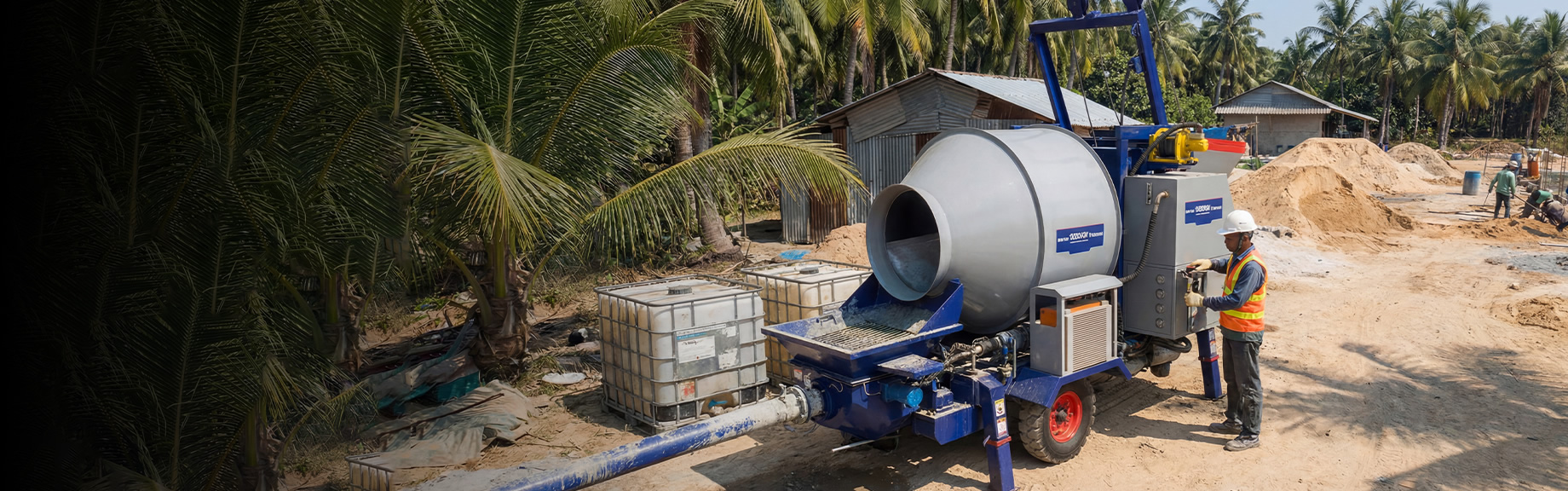
Concrete Pumping Machinery
What is a concrete pump?
Concrete pumps are primarily used for transporting concrete. They efficiently convey fluid concrete from a mixing plant to the pouring site. Concrete pumping equipment reduces manual labor, accelerates construction progress, and ensures the precise placement of concrete.
For high-rise buildings, bridges, tunnels, and large-scale infrastructure projects, our concrete pumps are the ideal choice. HAMAC offers three distinct types of pumps to meet your diverse concrete pumping requirements.
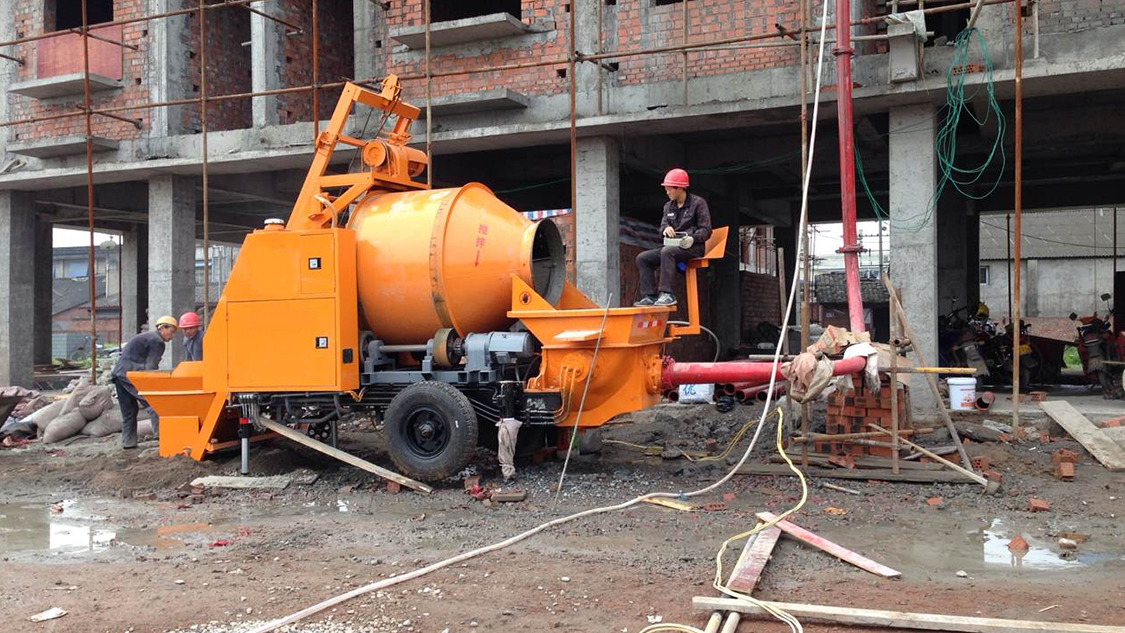
The Concrete Mixer Pump integrates both mixing and pumping functions into a single unit. This hydraulic mixer pump is particularly well-suited for use in remote areas and on small-scale construction projects.
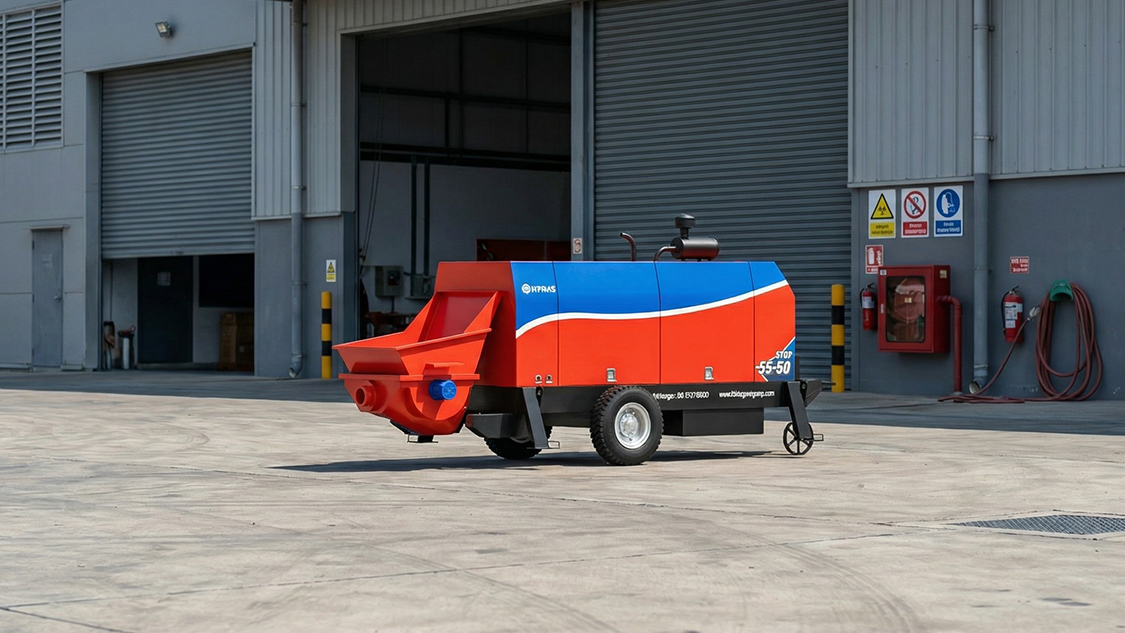
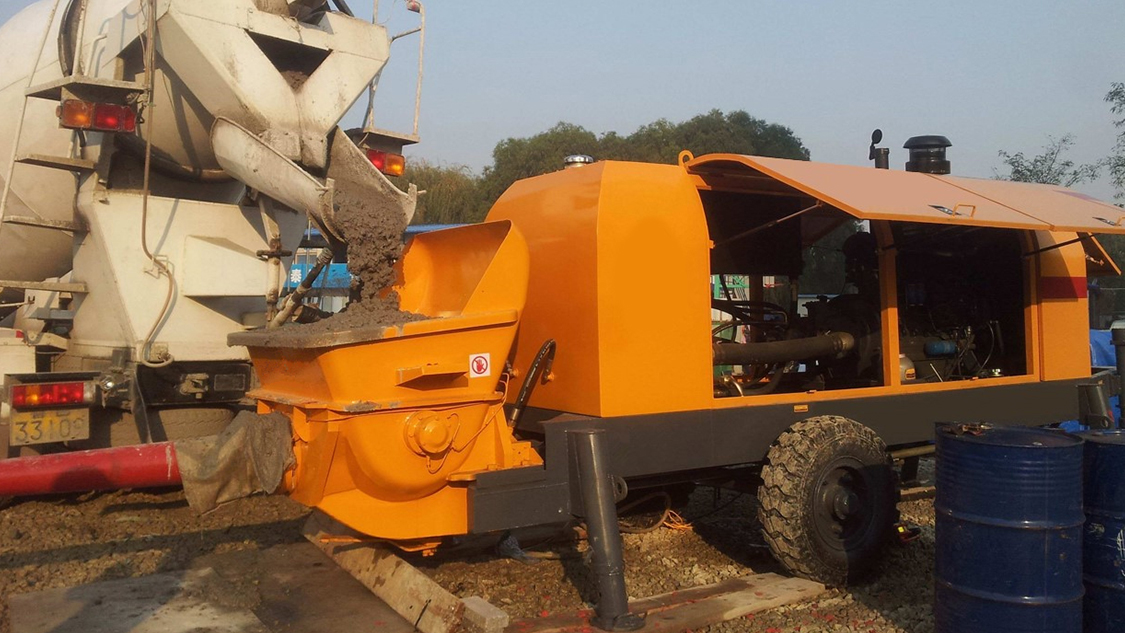
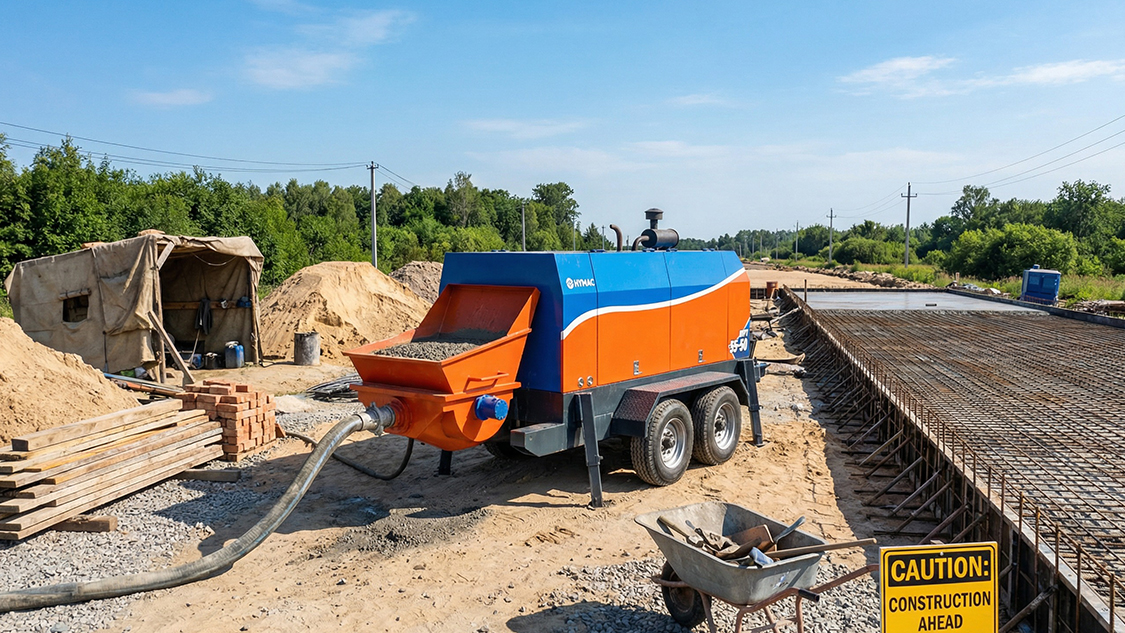
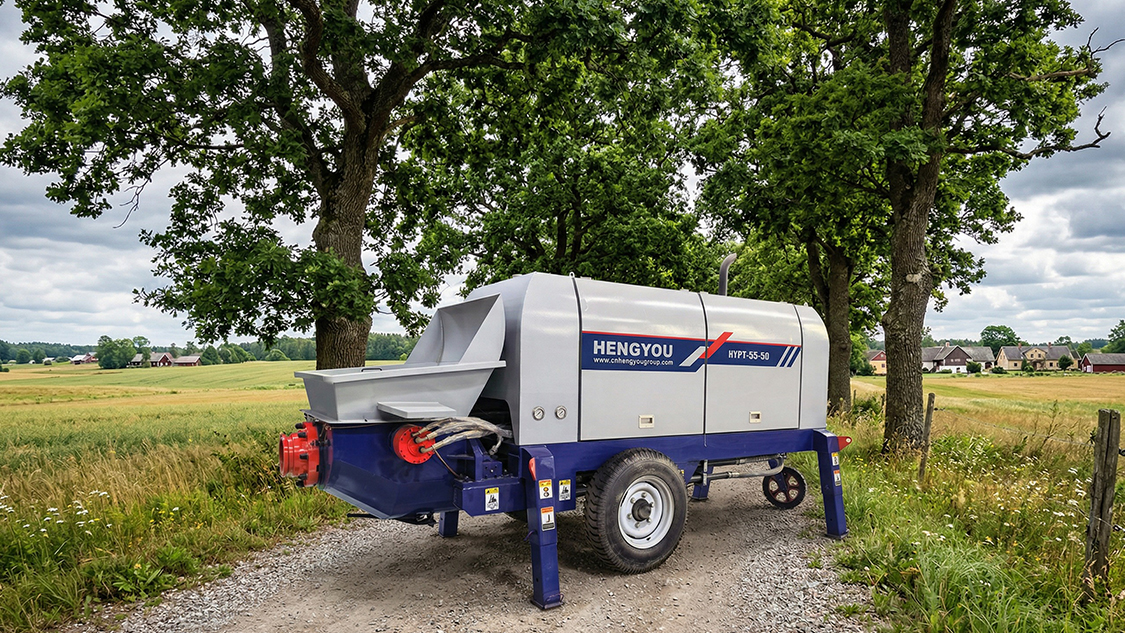
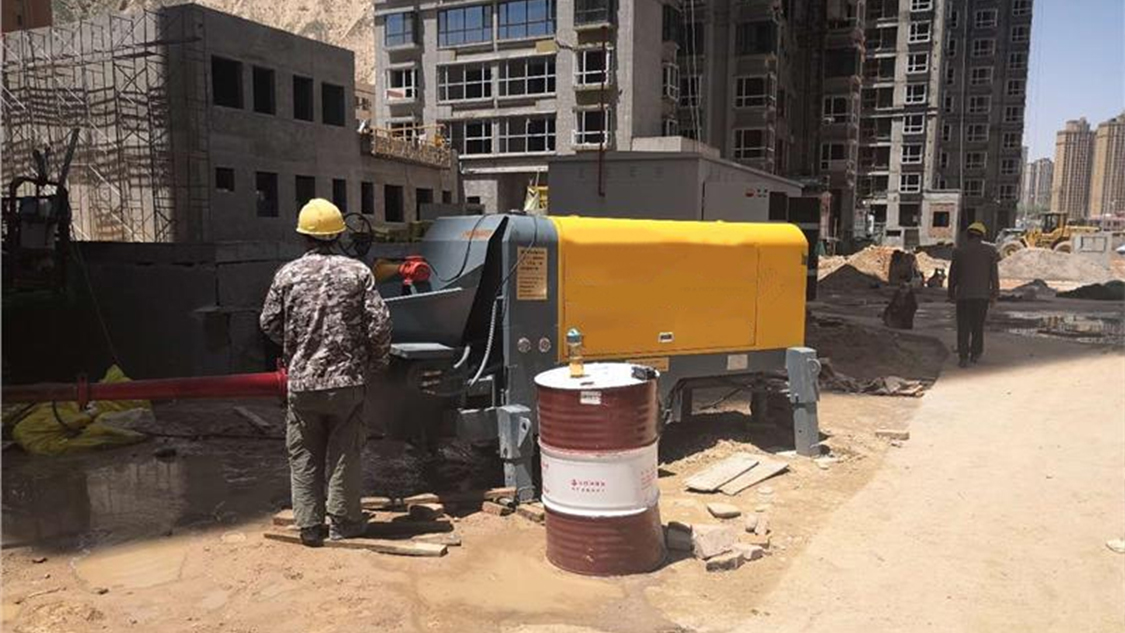
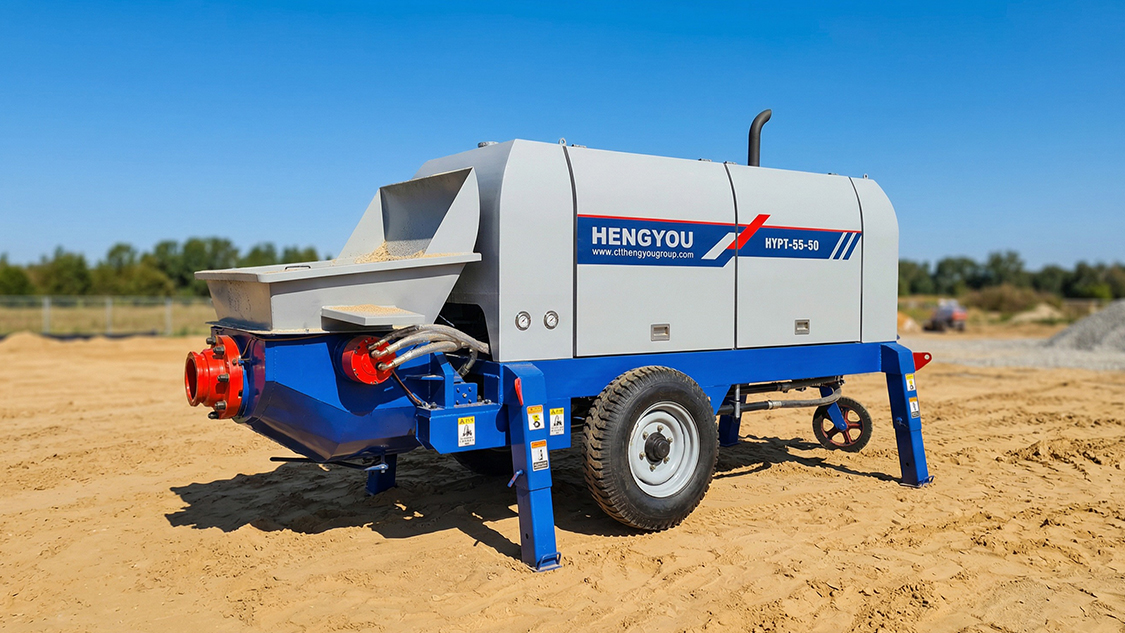
Trailer-Mounted Pumps are designed for long-distance horizontal conveyance and vertical pumping applications. They are suitable for use in the construction of dams, bridges, and skyscrapers.
Crawler-Mounted Concrete Pumps are ideal for projects involving extreme terrain—such as dam construction, mountain tunnel lining, offshore wind farm foundations, or confined basement excavations in urban centers—where ground conditions are muddy, uneven, or space is severely restricted.
Understanding Different Types of Concrete Pumps
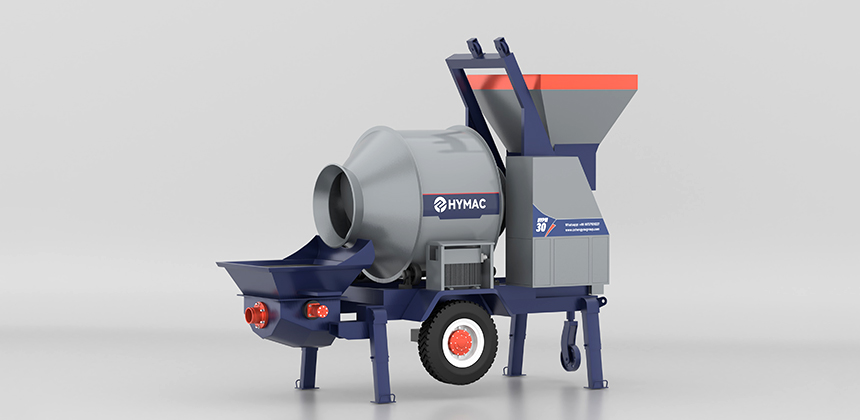
Concrete Mixer Pump
Integrates concrete mixing and pumping functions into a single unit.
Key Advantages: Significant space savings, reduced equipment costs, and simplified operations.
Best-Selling Models:HYPM-30、HYPM-40、HYPM-50
Maximum Output: 30 m³/h
Ideal Applications: Small to medium-sized projects requiring high-quality concrete—such as custom residential foundations, community center construction, rural road paving, or the production of precast components.
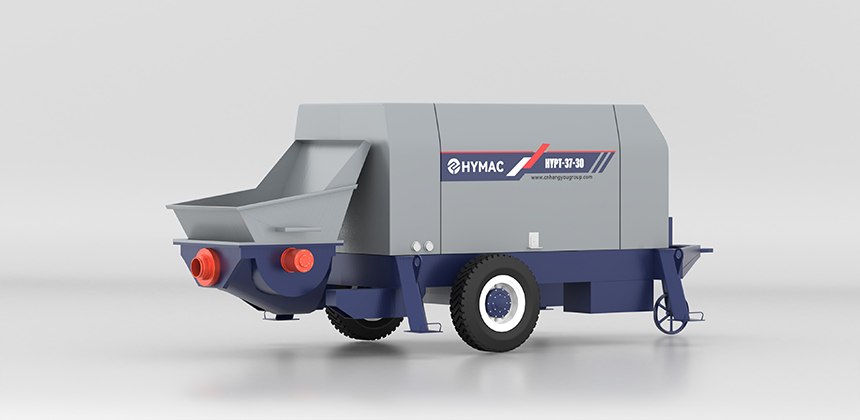
Concrete Trailer Pump
Highly mobile—ideal for hard-to-reach job sites.
Key Advantages: It requires low initial investment, enables high-pressure and long-distance conveyance, and offers strong adaptability to various power sources.
Best-Selling Models:HYPT-37-30、HYPT-55-50
Maximum Output: 40 m³/h
Ideal Applications: Large-scale remote pouring projects—such as airport runways, rural irrigation canals, and wind turbine foundations—or extensive ground areas situated far from the power grid. It effectively resolves the fundamental challenge of achieving efficient water pumping in regions where electricity is scarce or access is impractical.
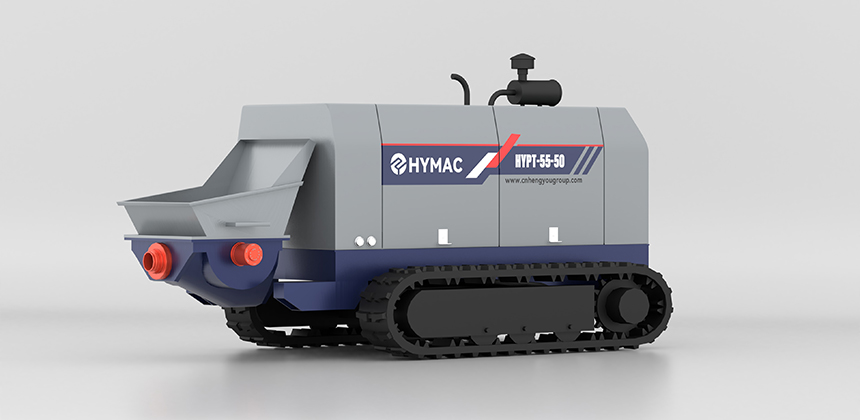
Crawler Concrete Pump
Equipped with an all-terrain tracked chassis and an adaptive hydraulic suspension system.
Key Advantages: Mountainous regions characterized by complex terrain and steep slopes; and moist or low-lying areas with loose, muddy soil.
Best-Selling Models:HYPT-37-30、HYPT-55-50
Maximum Output: 40 m³/h
Ideal Applications: For infrastructure sites located in mountainous or high-rainfall regions, or for operations within confined spaces such as tunnels and mines, a crawler-mounted concrete trailer pump is the optimal choice.
5 Advantages of Using Concrete Pumps for Construction
Ideal for High-Rise Construction: By utilizing a concrete pump, concrete can be effortlessly conveyed to high-rise building sites.
Enhanced Efficiency: Traditional concrete pouring methods typically require a workforce of approximately 20 laborers and proceed at a slow pace. In contrast, our concrete pumping equipment requires significantly fewer personnel—just four workers are sufficient for operation. Furthermore, the pumping speed is six times faster than manual pouring.
Easy Mobility: Both our concrete mixer pumps and trailer-mounted pumps are equipped with wheels, facilitating convenient movement across the construction site.
Cost Reduction: The use of concrete pumps helps minimize both labor costs and project timelines.
Improved Safety: Reports indicate that construction sites equipped with concrete pumping machinery experience a 62% reduction in accidents. Employing concrete pumps for operations helps prevent workers from falling off formwork while also eliminating slip hazards caused by concrete spillage.
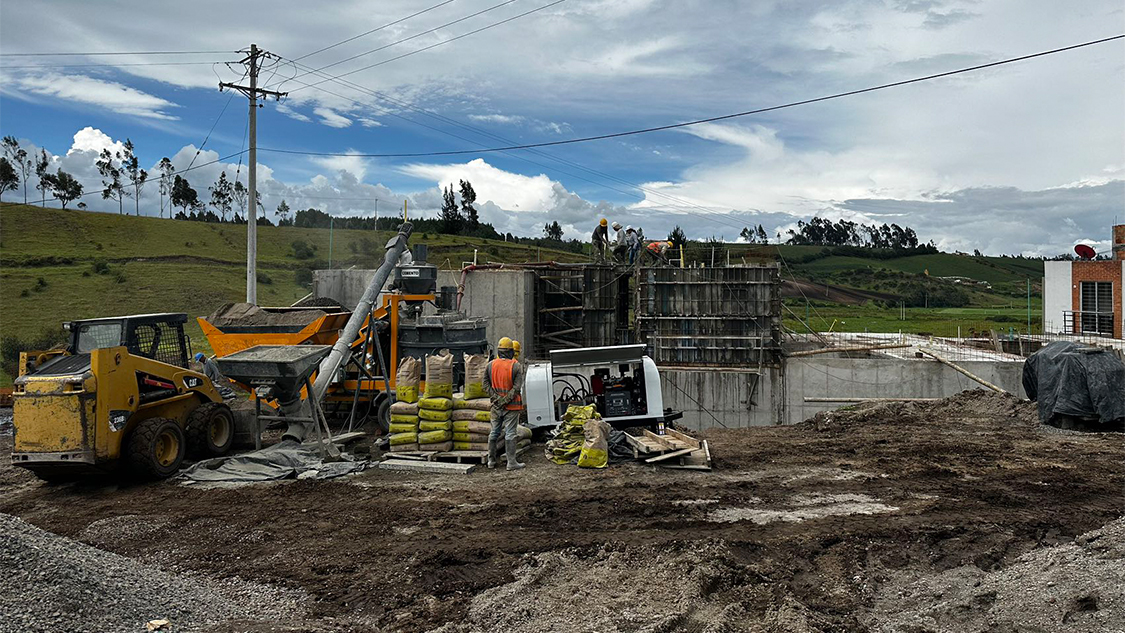
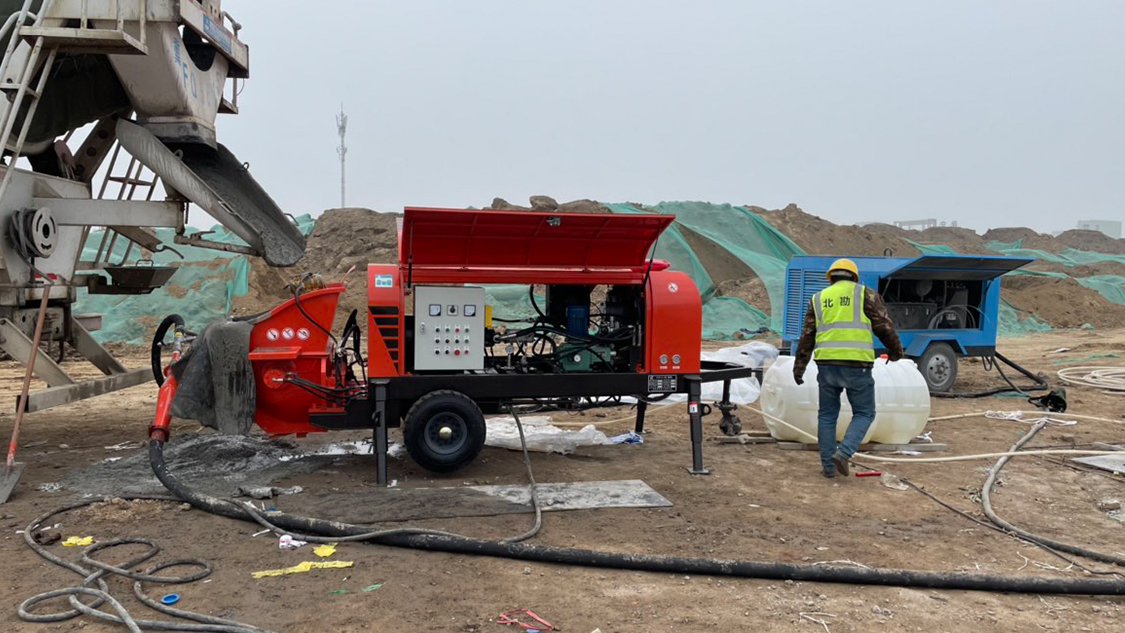
The Customer's Choice


Components of a Self-Loading Concrete Mixer
How do you operate a concrete pump?
Upon shipment, the pump manufacturer will send you instructions regarding the pump's operation and initial maintenance procedures. Please be sure to strictly follow the manufacturer's specific guidelines for both operation and subsequent maintenance.
What components make up a concrete pump?
Valve System: Typically, concrete pumps utilize a ball valve or an S-valve to control the flow of concrete from the hopper into the pumping system.
Pumping Cylinders: These are hydraulic cylinders that alternately draw concrete from the hopper (suction phase) and then push it into the discharge port (pumping phase).
Hopper: A large receptacle into which the mixed concrete is poured.
Concrete Pistons: Components that operate within the pumping cylinders to move the concrete.
Delivery Pipeline: A series of connected pipes or hoses through which the concrete is pumped to its destination.
How does a concrete pump work?
After being mixed in a truck or at a concrete mixing plant, the concrete is first loaded into the hopper of a concrete pump. Inside the pump, two pistons operate in alternation—one piston draws the concrete in, while the other expels it. A valve system controls the direction of the concrete's flow. As the pistons advance, the concrete is driven into the pipeline under high pressure, enabling it to be conveyed over long distances or to great heights. Finally, the concrete is discharged at the required location.
Why are concrete pumps so expensive?
Concrete pumps must convey heavy, highly abrasive, and viscous concrete under high pressure, often requiring transport over long distances or to great heights. They utilize specialized hydraulic and piston systems, durable wear-resistant components, and complex valve assemblies. These technical requirements—coupled with low production volumes and stringent demands for reliability—drive up manufacturing and maintenance costs.
How much can a concrete pump owner earn?
In the first year of a concrete pumping business, an owner's total revenue could be around $2 million—or even higher. Reddit users have reported total revenues of $2.3 million, with expenses of approximately $600,000, resulting in a monthly net profit of about $100,000. Industry averages suggest annual revenues ranging from $500,000 to $1.5 million, depending on location, utilization rates, and operational efficiency.
Why use a concrete pump?
It offers numerous advantages, including rapid concrete pouring speeds, high efficiency, reduced labor costs, the ability to access hard-to-reach areas, and enhanced quality control for concrete pouring operations.
SEND MESSAGE
Contact us immediately via email at jerry@hengyoucn.com, via WhatsApp +86 18737109227, or by filing out the form below.