
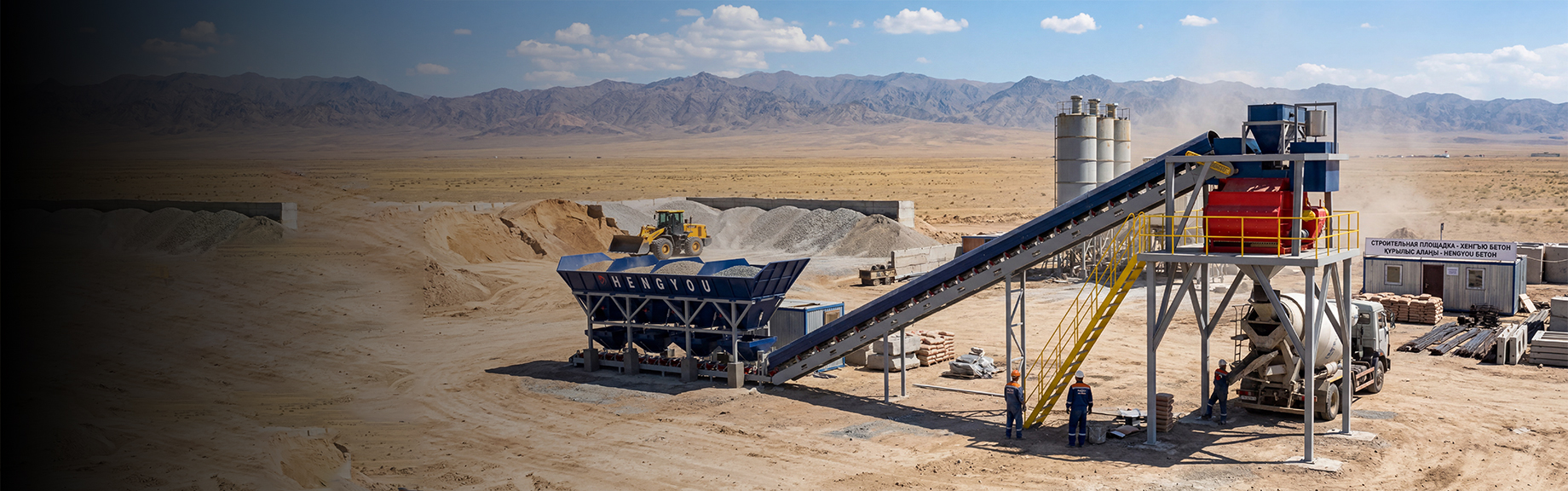
What is a concrete mixing plant? A concrete mixing plant is specialized equipment designed to produce concrete efficiently and uniformly. It is widely utilized in various construction projects, including tunnels, bridges, railways, highways, airports, ports, docks, and water conservancy works.
Successful Client Case Studies
HYMAC empowers numerous clients to successfully complete a wide range of construction projects through its concrete pumping solutions. This section showcases some of our successful client case studies.
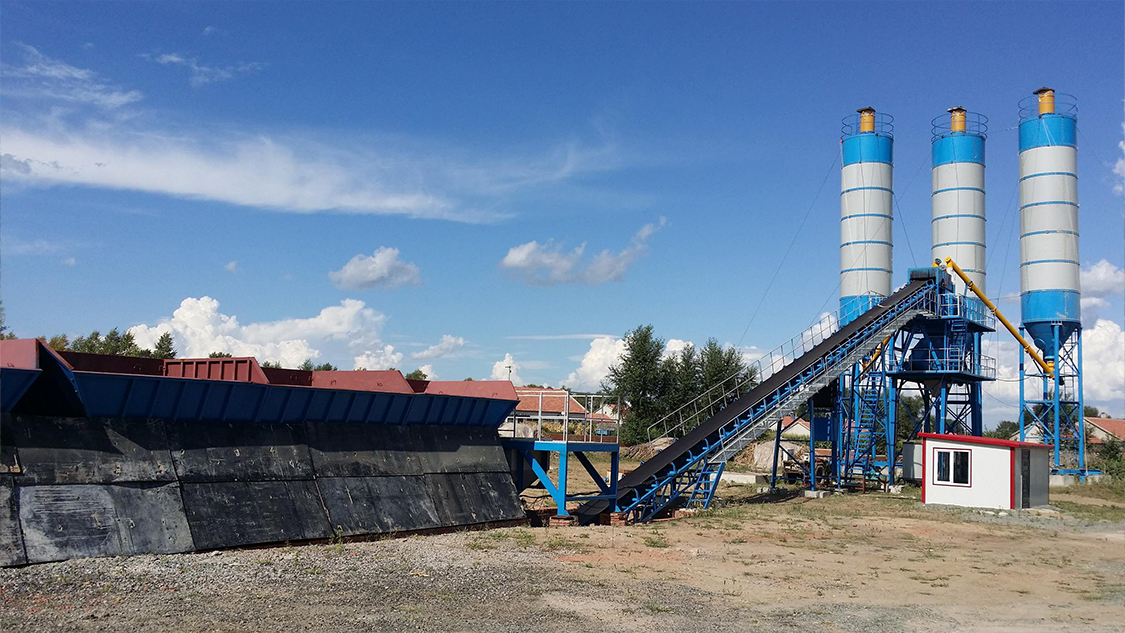
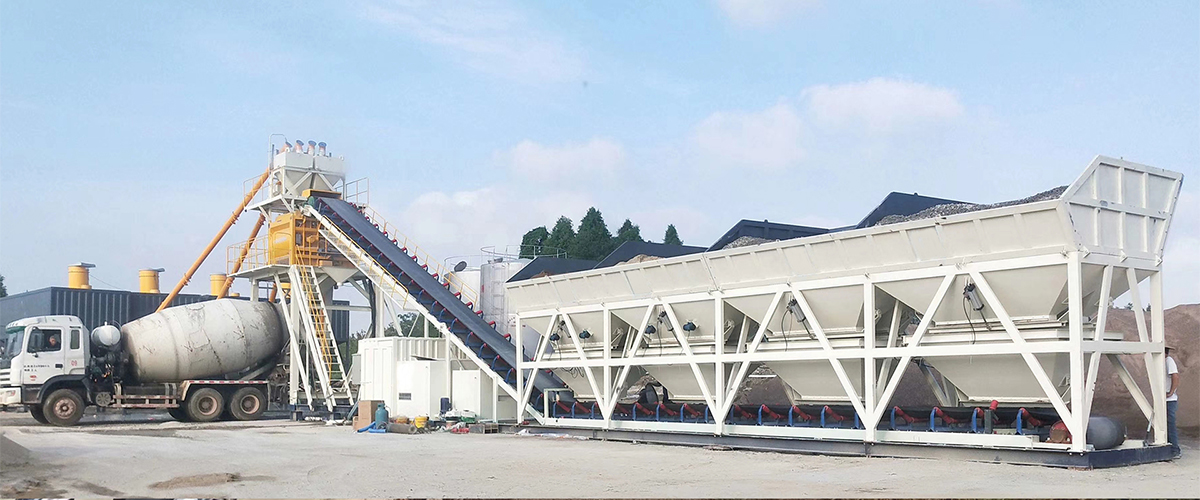
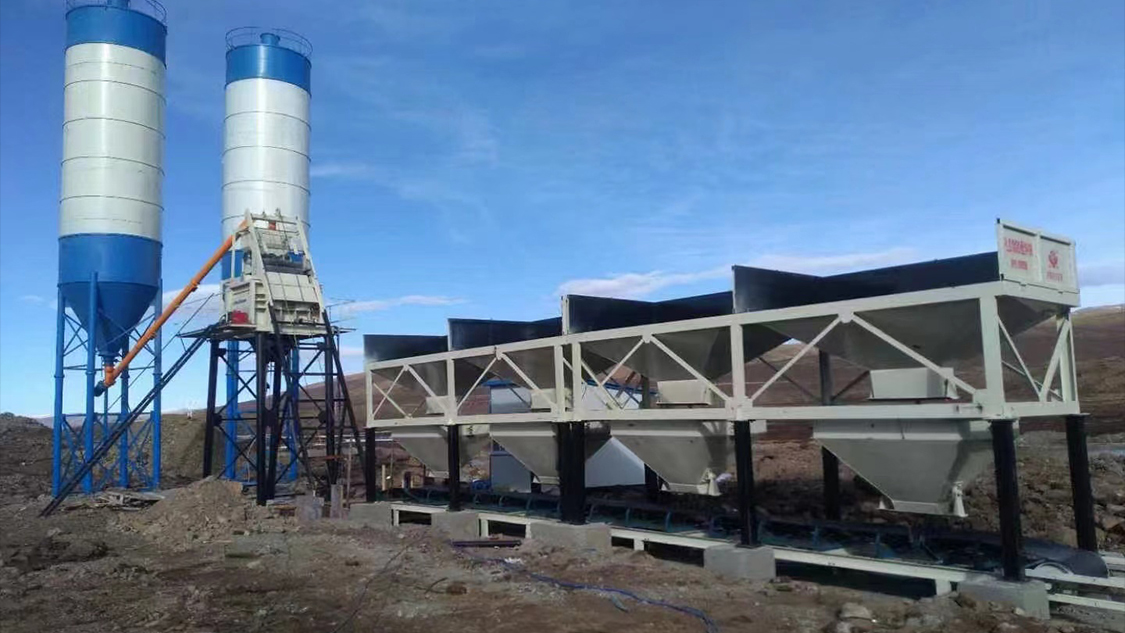
HYZS-90 Stationary commercial concrete batching plant
Delivery Time: 2025
Location: In China
Client Requirements: Achieve faster batching cycles and provide high-quality concrete to customers.
Our Solution: We provided a HYZS-90 stationary batching plant, configured with four aggregate bins and three cement silos.
Client Feedback: This large-scale concrete plant has met our concrete production needs, particularly during the peak construction season.
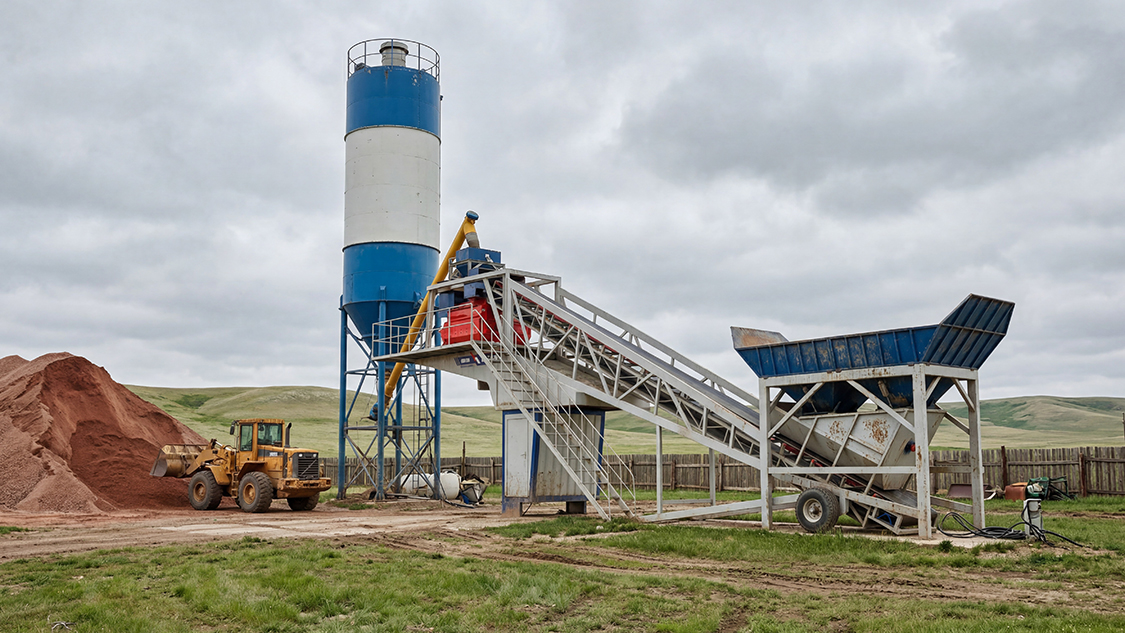
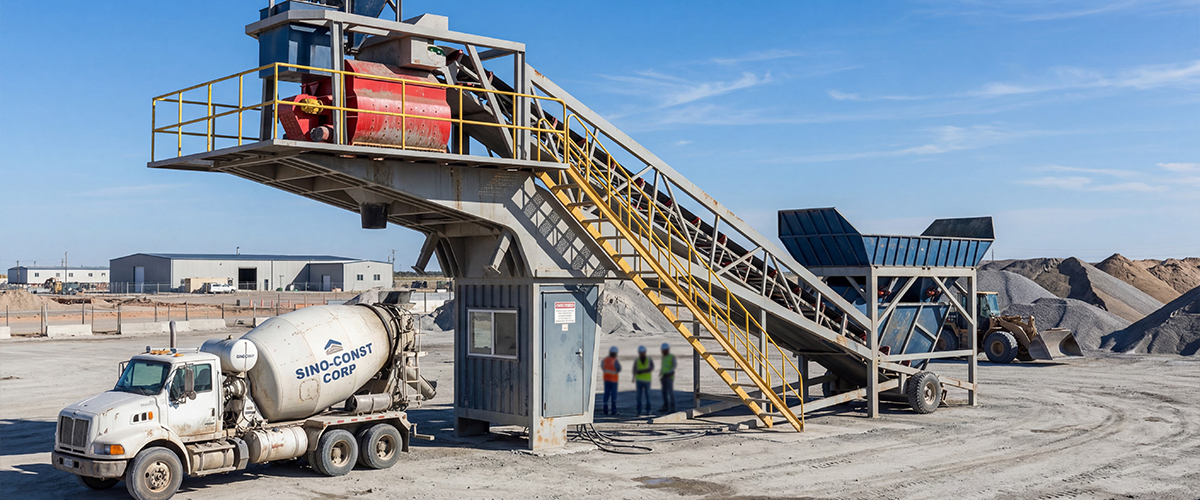
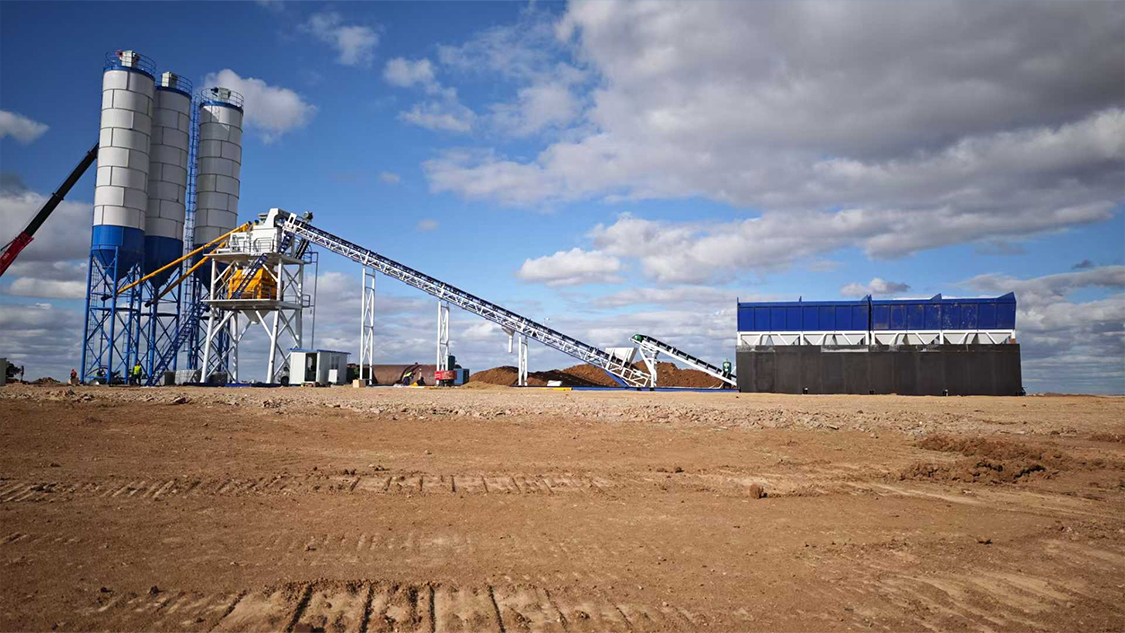
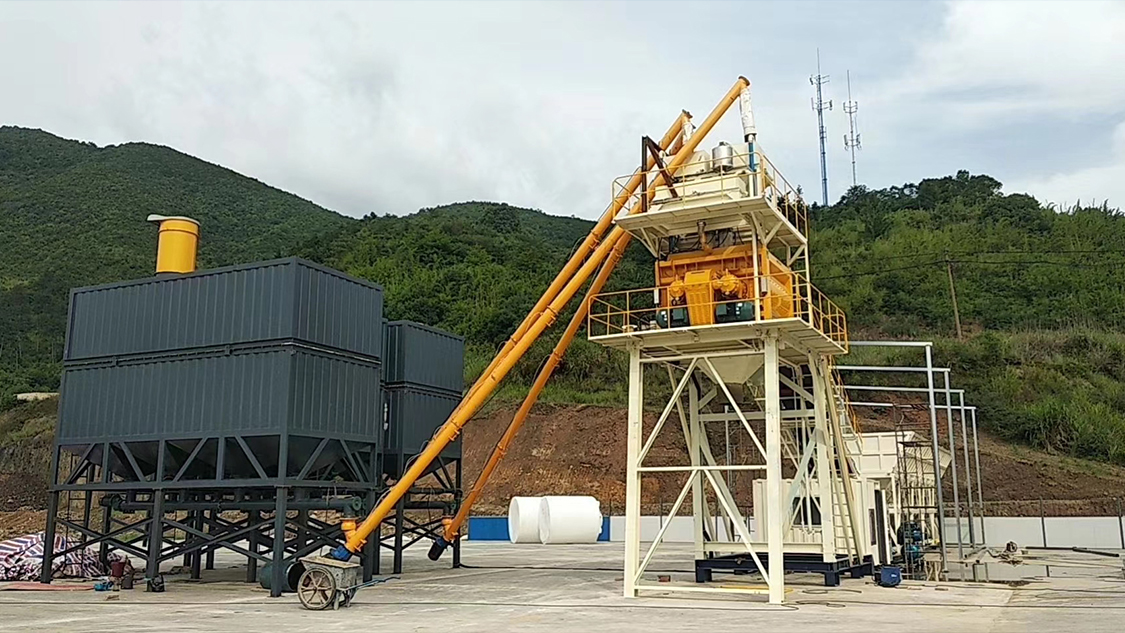
YHZS-G35 Compact Batching Plant for Sale in Mongolia
Delivery Time: 2026
Application: Used for roadbed construction.
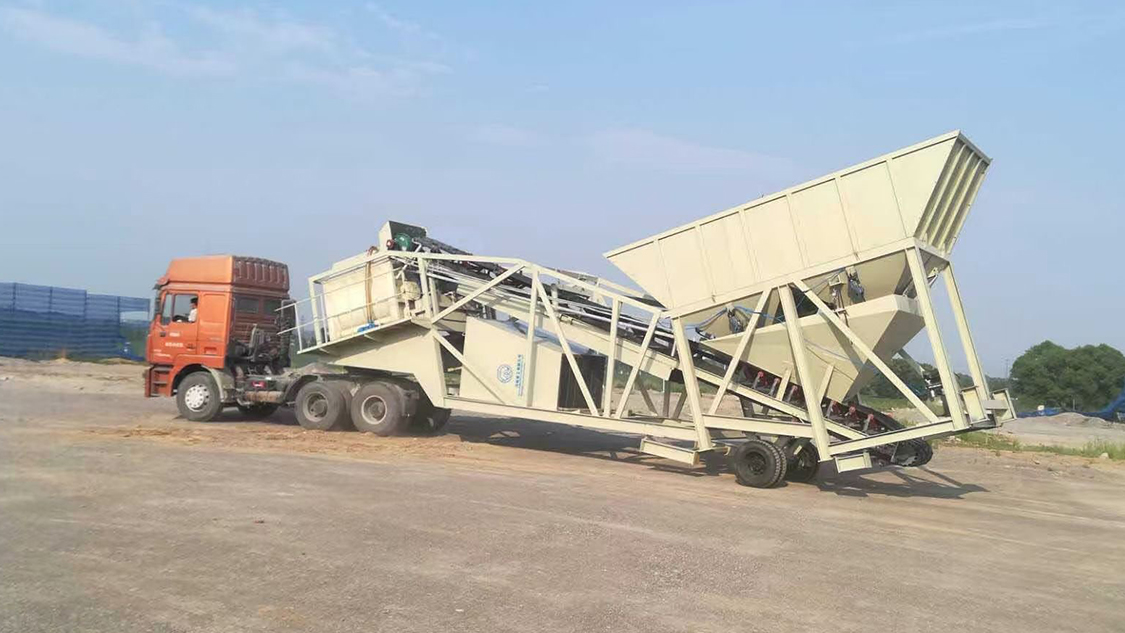
Client Requirements: The client requires a small-scale batching plant capable of commencing production within a short timeframe and designed to be towed by a tractor truck for relocation when necessary.
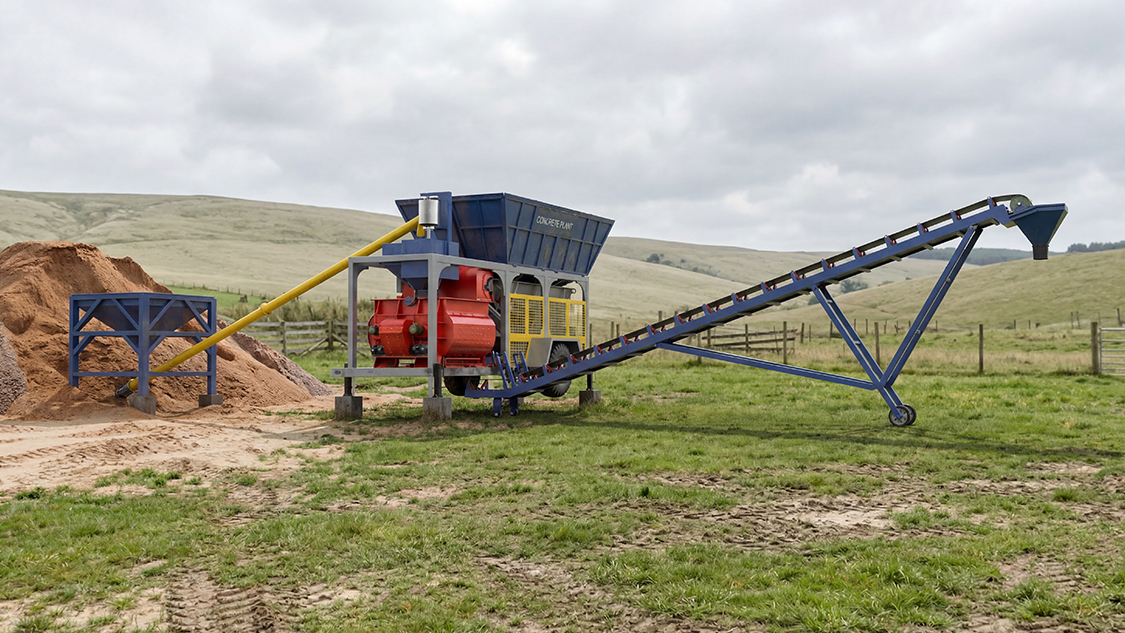
Our Solution: We recommend our YHZS-G35 plant, which features a compact design and rapid installation capabilities.
Result: The YHZS-G35 was successfully installed and put into production in just 10 days. Currently, it is operating efficiently at the construction site, and the client is highly satisfied with its performance.
Various Types of Concrete Batching Plants
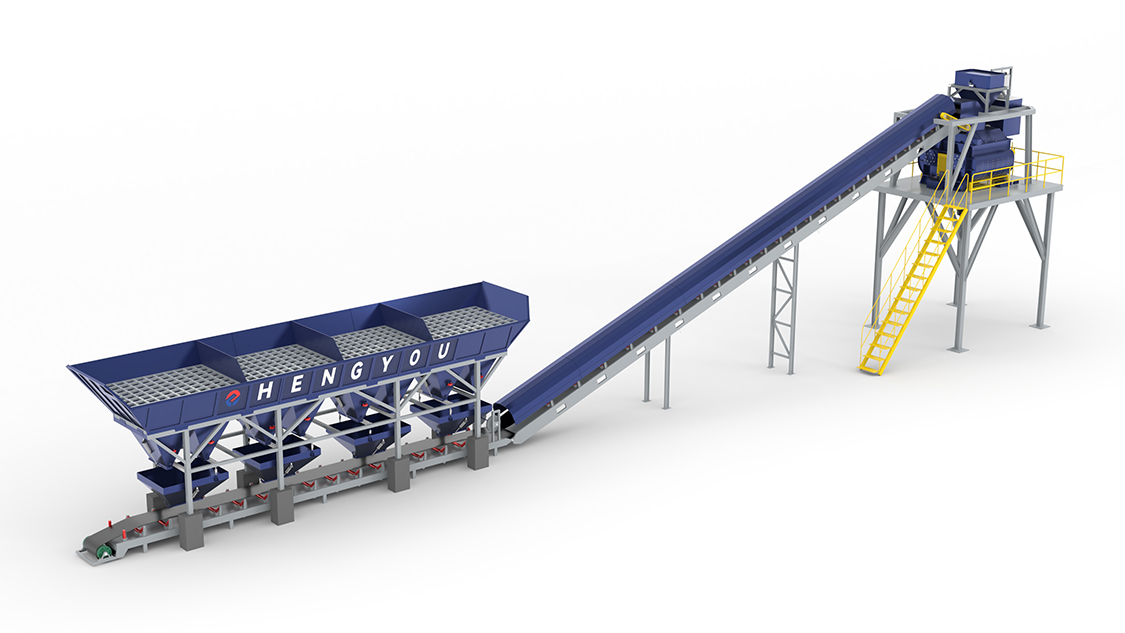
Stationary Concrete Plant
Flexibility: Due to its fixed nature, it is relatively difficult to move once installed, resulting in low flexibility.
Production Capacity: 25 m³/h to 240 m³/h
Installation: Requires a fixed base installation.
Setup Time: Longer duration (10–60 days).
Scope of Application: Stationary Concrete Plants. Suitable for large-scale infrastructure projects, such as highways, major commercial and residential developments, and long-term industrial projects.
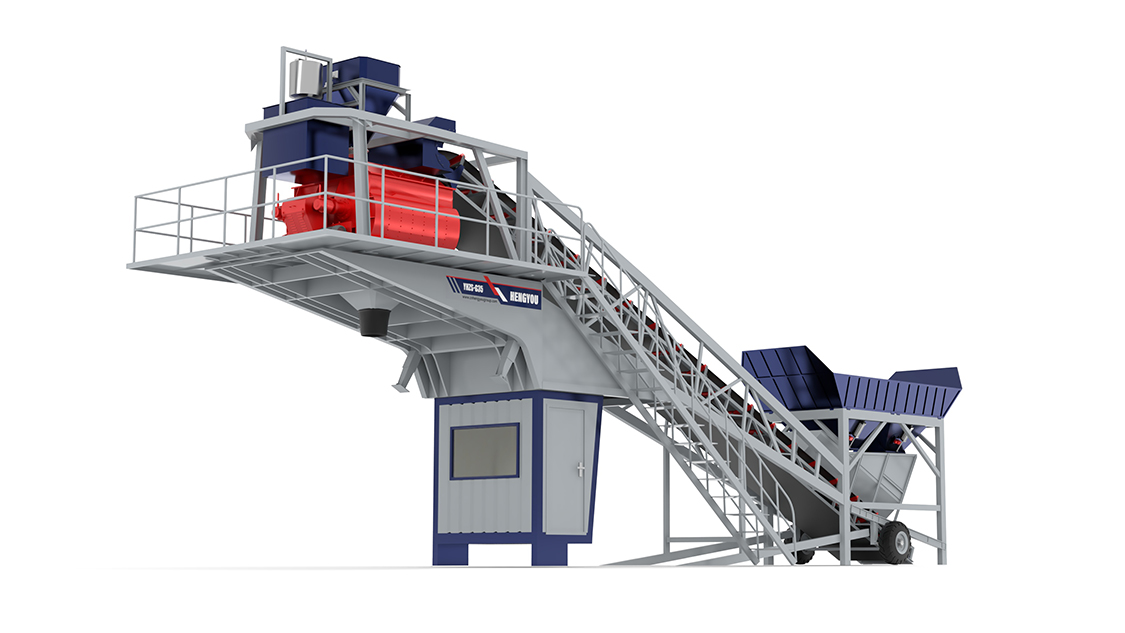
Mobile Concrete Plant
Flexibility: Easily relocatable to different construction sites, offering high flexibility.
Production Capacity: 25m³/h to 120 m³/h
Installation: Rapid installation and relocation without the need for a foundation.
Setup Time: Rapid setup (7–45 days).
Scope of Application: Mobile batching plants are suitable for temporary construction projects, such as road maintenance, rural road construction, temporary construction sites, and small-scale building projects.
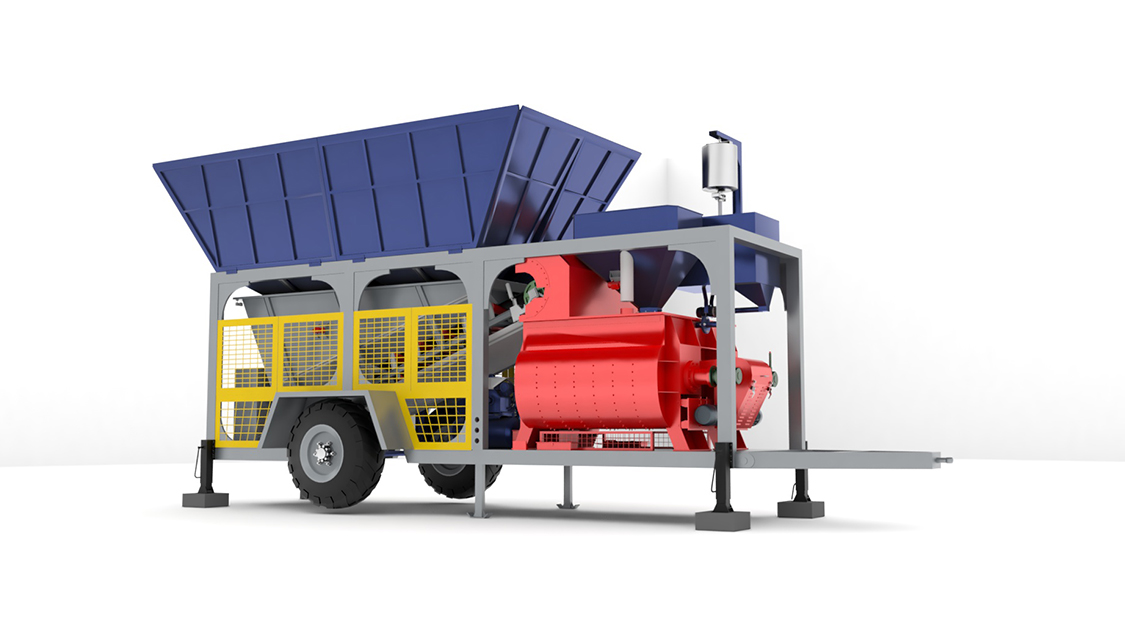
Compact Mobile Concrete Plant
Flexibility: Due to its fixed nature, it is relatively difficult to move once installed, resulting in low flexibility.
Production Capacity: 25 m³/h to 35 m³/h
Installation: Rapid installation and relocation without the need for a foundation.
Setup Time: Rapid setup (7–45 days).
Scope of Application: A type of mobile batching plant, suitable for sites with restricted terrain.
Mixing Plant Specifications
Stationary concrete batching plant
Model
Theoretical Productivity (m³/h)
Mixer Model (Mixer Output L)
HYZS-25
25
JS500
HYZS-35
35
JS750
HYZS-75
75
JS1500
HYZS-90
90
JS1500
HYZS-120
120
MAO3000 / 2000(SICOMA)
Mixer Power (kW)
Mixing Period (seconds)
Maximum Aggregate Size (mm)
18.5
72
Φ60
30
72
Φ60
2 × 30
72
Φ60
2 × 30
60
Φ80
2 × 37
65
Φ80
Standard Aggregate Bin Capacity (m³)
Types of Polymerization
Maximum Discharge Height (m)
3 × 3
2/3
3.8
3 × 5
2/3/4
4.1
3 × 12
3/4
4.1
4 × 15
4/5
4.3
4 × 15
4/5/6
4.3
Total Weight (tons)
Installed Capacity (kW)
Weighing Accuracy (%)
≈15
≈65
±1%
≈18
≈75
±1%
≈30
≈140
±1%
≈68
≈160
±1%
≈93
≈220
±1%
Mobile Concrete Batching Plant
Model
Theoretical Productivity (m³/h)
Mixer Model (Mixer Output L)
YHZS-25
25
JS500
YHZS-35
35
JS750
YHZS-50
50
JS1000
YHZS-75
75
JS1500
YHZS-100
100
JS2000
Mixer Power (kW)
Mixing Period (seconds)
Maximum Aggregate Size (mm)
18.5
72
Φ60
30
72
Φ60
2x18.5
72
Φ60
2x30
72
Φ60
2x37
72
Φ60
Aggregate Bin Capacity (m³)
Powder Storage Silo (Tons)
Maximum Discharge Height (m)
4x4m³
1x50
3.8
4x4m³
1x100
3.8
4x5m³
1x100
4.2
4x6m³
2x100
4.2
4x8m³
3x100
4.2
Aggregate Weighing Accuracy (%)
Cement Weighing Accuracy (%)
Water Weighing Accuracy (%)
±2%
±1%
±1%
±2%
±1%
±1%
±2%
±1%
±1%
±2%
±1%
±1%
±2%
±1%
±1%
Additive Weighing Accuracy (%)
Total Weight (tons)
Installed Capacity (kW)
±1%
≈15
≈65
±1%
≈20
≈75
±1%
≈25
≈90
±1%
≈31
≈125
±1%
≈37
≈180
How to Choose a Concrete Batching Plant?
Selecting the appropriate concrete batching plant is crucial for ensuring the efficient production of high-quality concrete and optimizing the overall performance of construction projects. It is recommended that you consider the following factors to ensure the plant's capabilities align with your specific requirements.
Confirm Project Requirements
Determine the specific needs of the project, including the required production capacity, concrete mix types, and delivery methods. This will help you understand how to set up and launch the concrete mixing plant.
Assessing Site Conditions
The assessment covers available space, utility availability, and environmental regulations to determine the suitability of the site for the installation of concrete batching equipment.
Selecting a Batching System
Choose between a stationary, mobile, or portable batching plant based on the project timeline, mobility requirements, and production volume. You also need to understand the operating principles of a concrete batching plant.
Assess the Level of Automation
Evaluate the level of automation and control systems offered by various batching plants to ensure efficient operation, precise batching, and ease of monitoring.
Consider Maintenance Requirements
Consider the maintenance needs and accessibility of components—such as mixers, conveyors, and control systems—to minimize downtime and maintenance costs.
Consider Environmental Impacts
Consider regulatory compliance, pollution prevention, resource conservation, climate change mitigation, and sustainability to ensure responsible business practices.
Check Supplier Reputation
Select reputable suppliers with a proven track record of partnering with reliable manufacturing facilities, who offer exceptional customer support, and provide warranties and after-sales services.
Consider Costs and Budget
Compare the initial investment costs for a batching plant—including equipment prices, installation fees, and operating expenses—against long-term benefits such as productivity, quality, and reliability.
Global Concrete Plant Case Studies
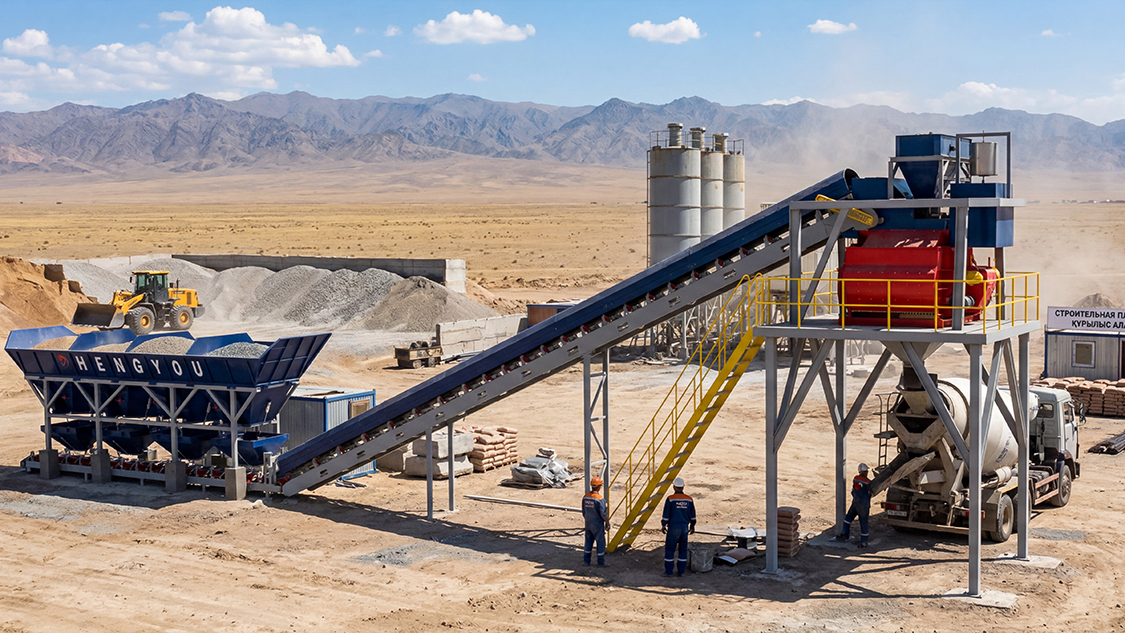
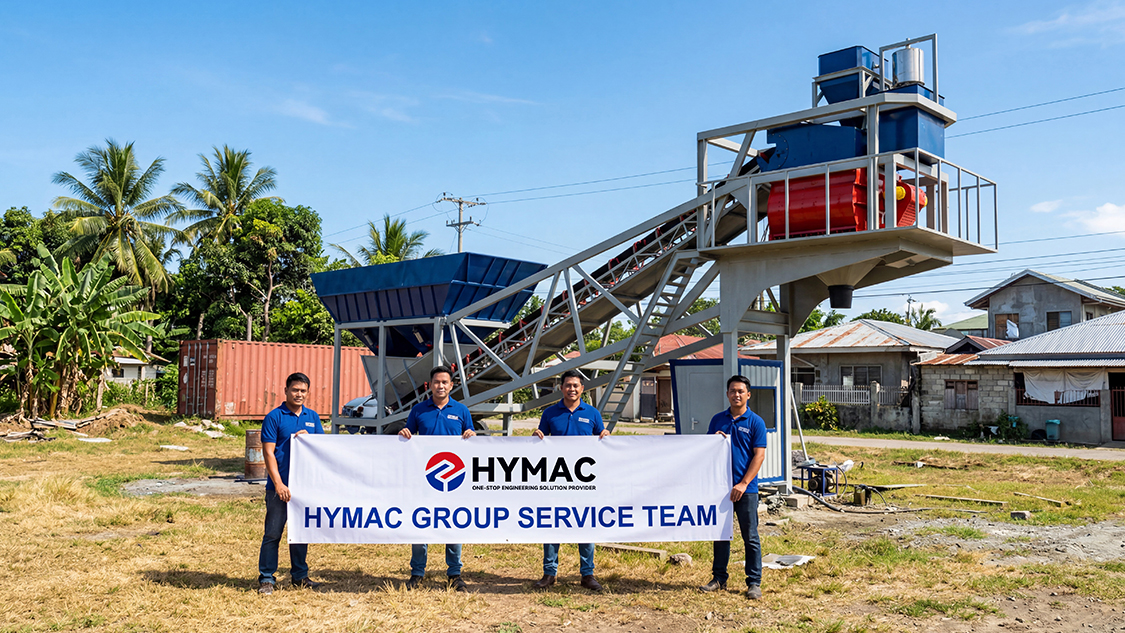
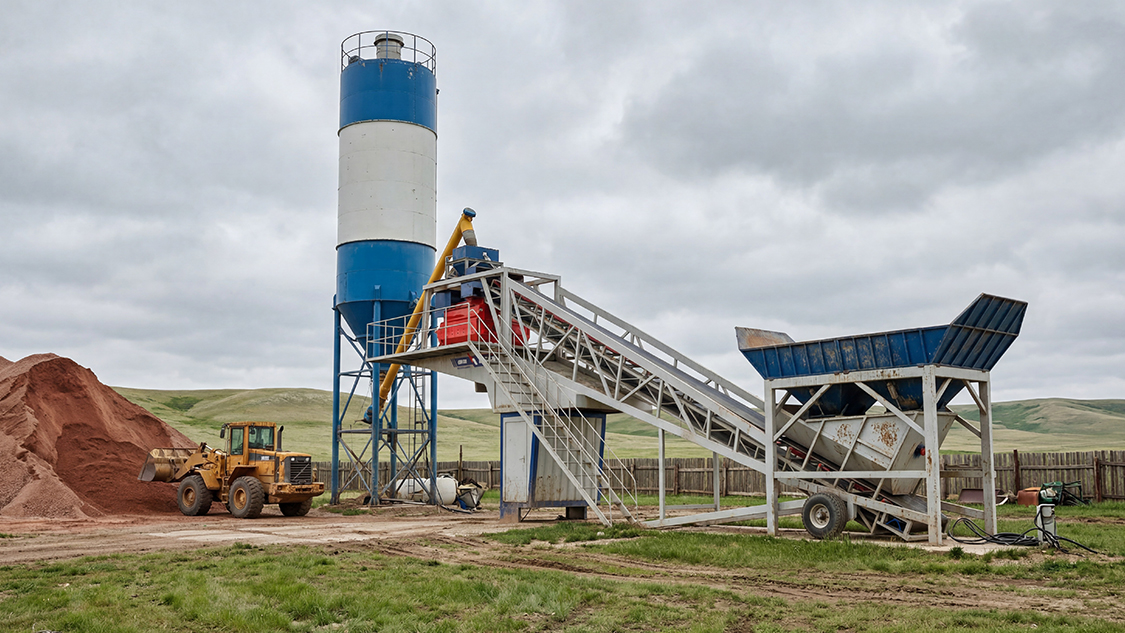
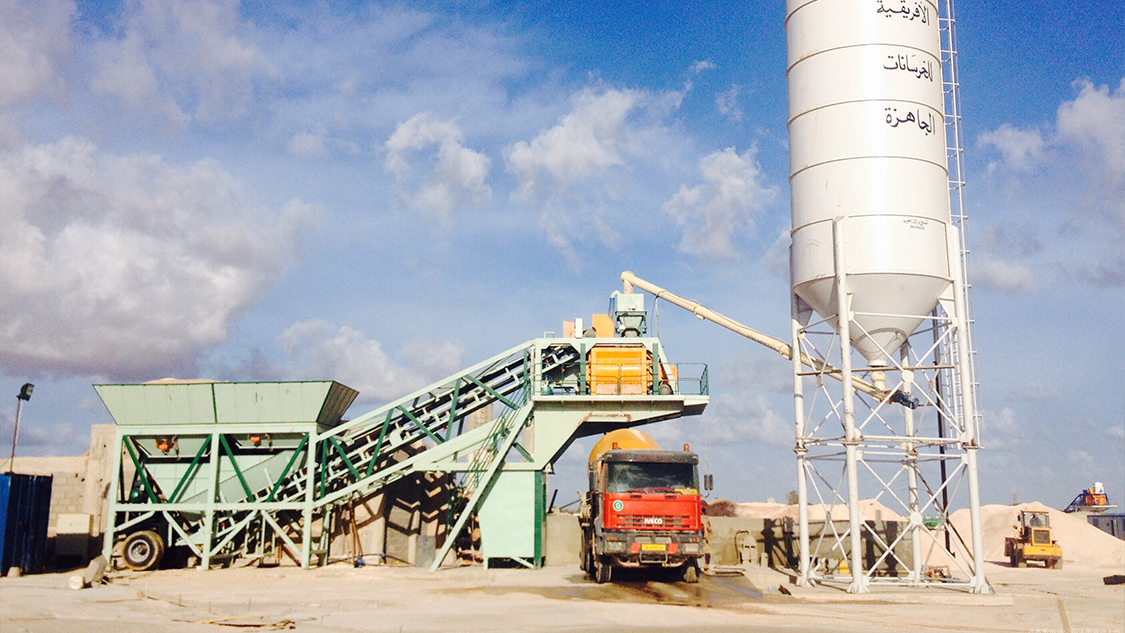
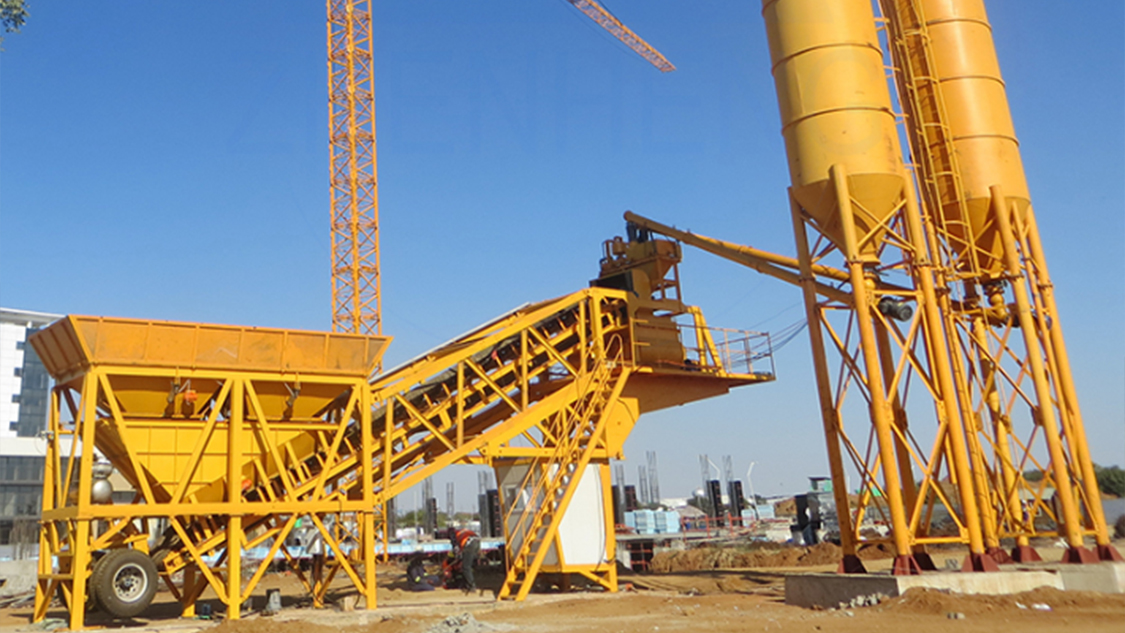
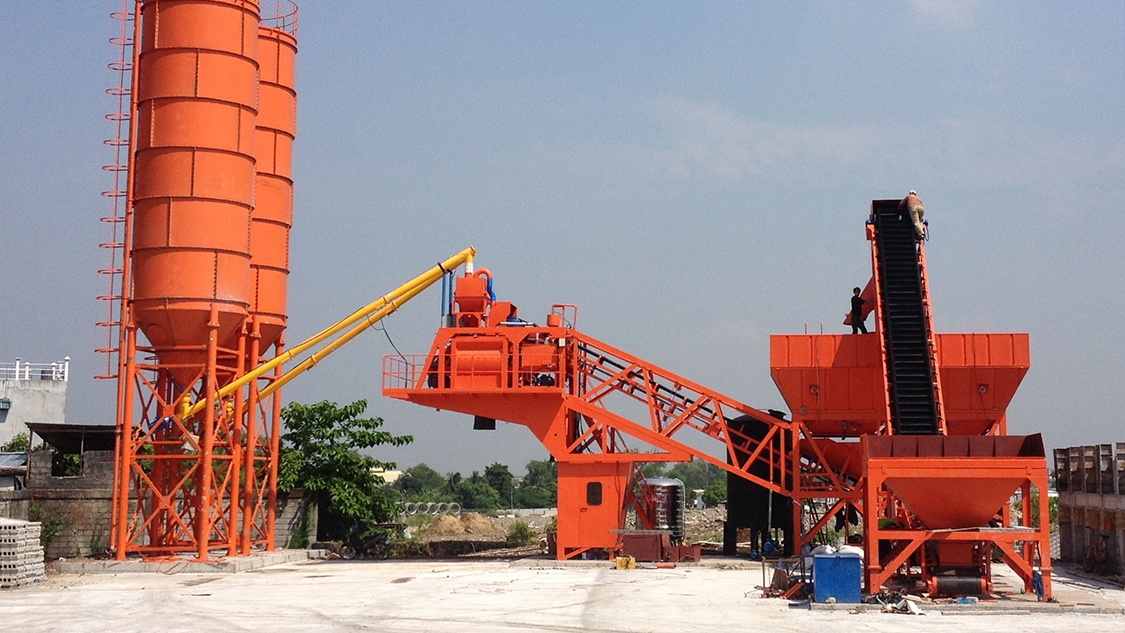
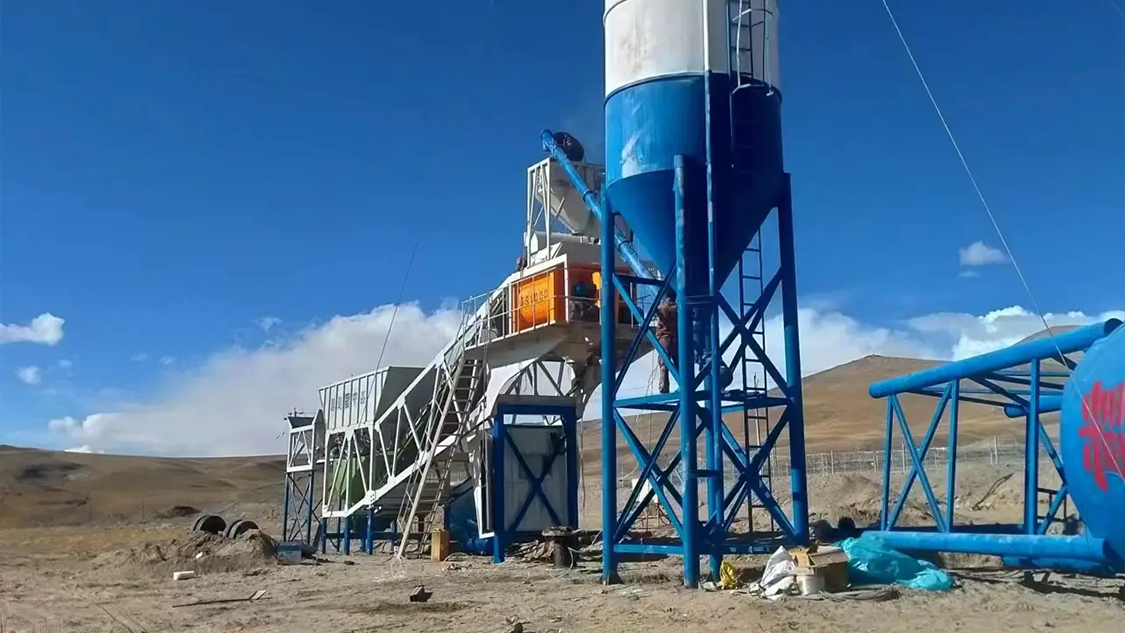
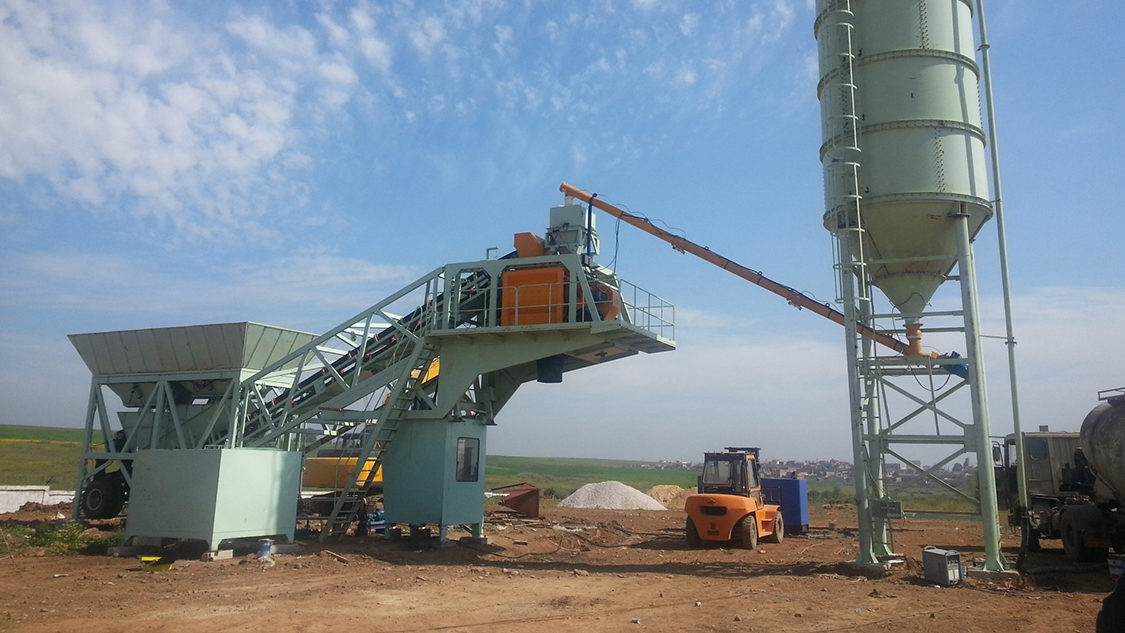
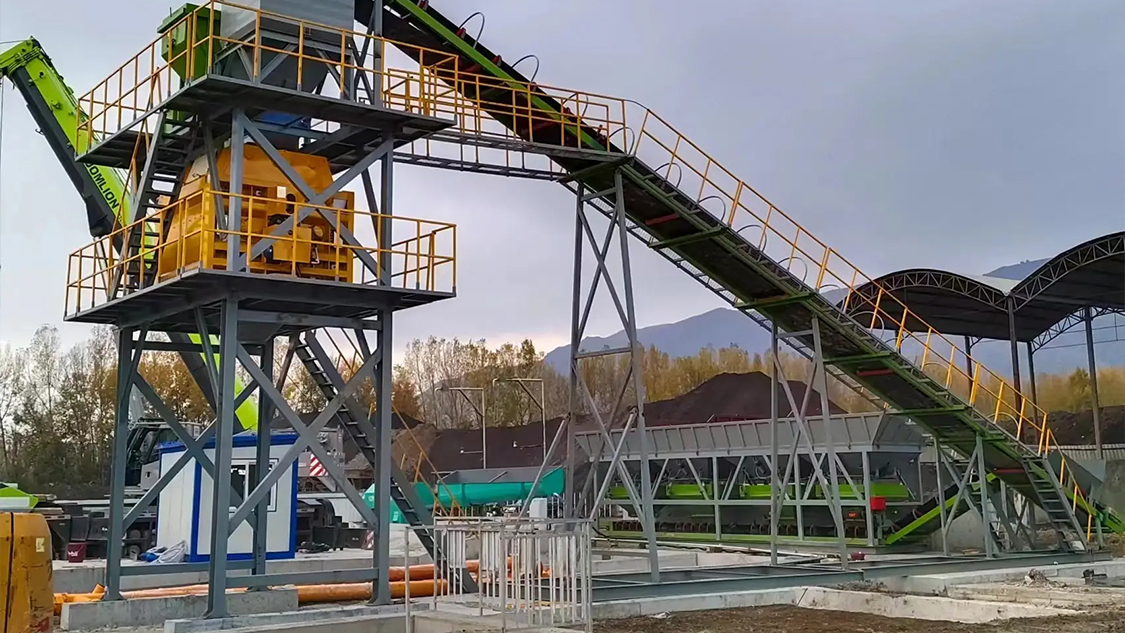
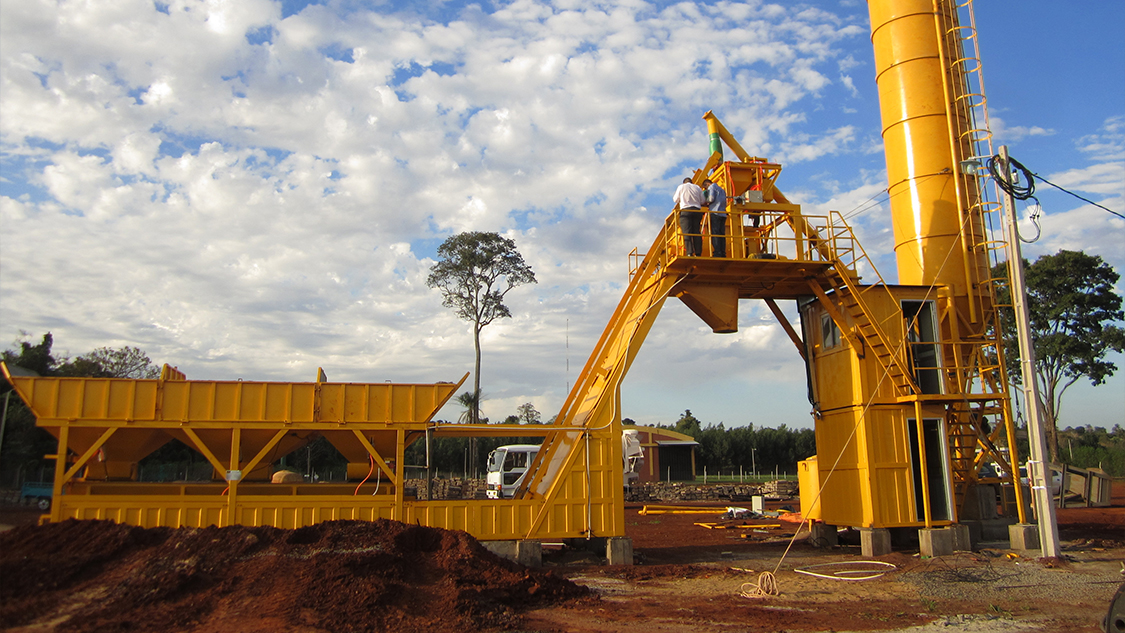
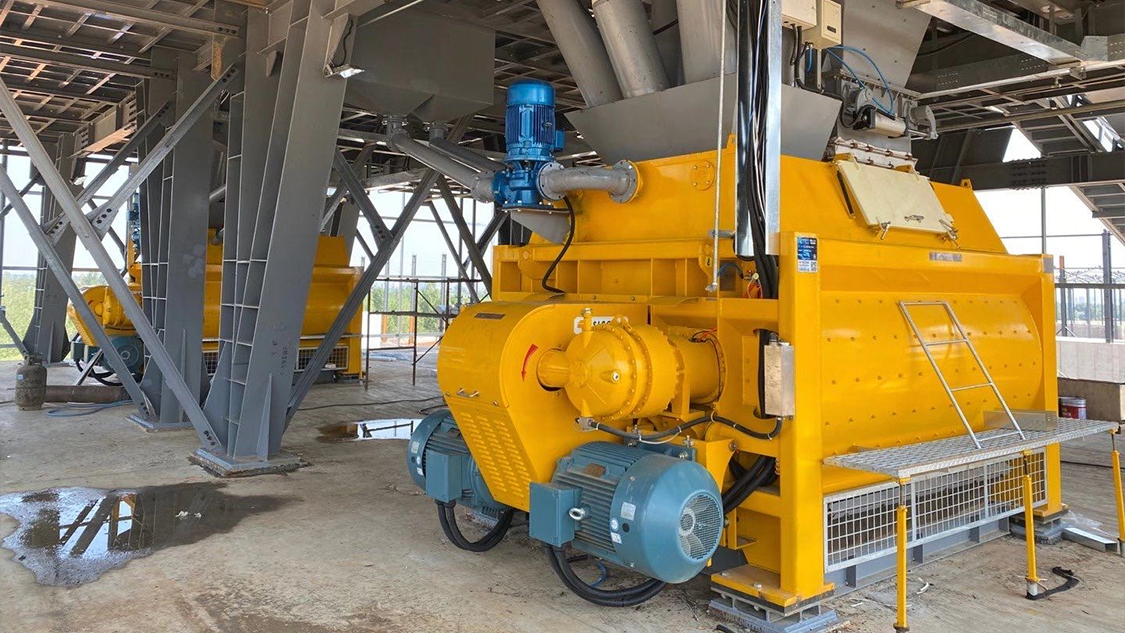
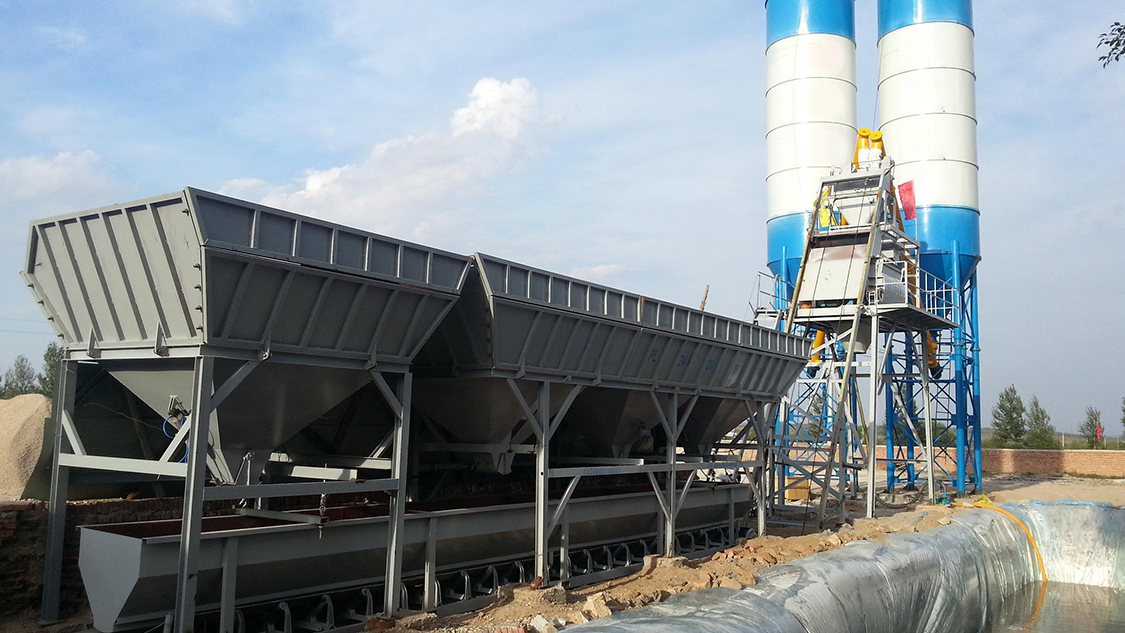
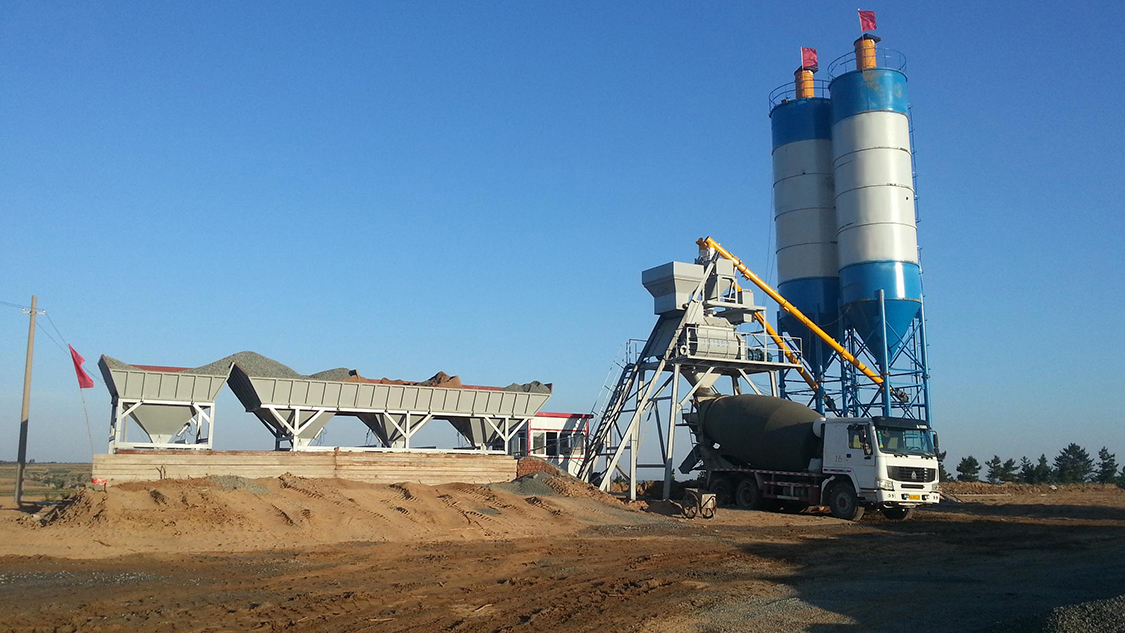
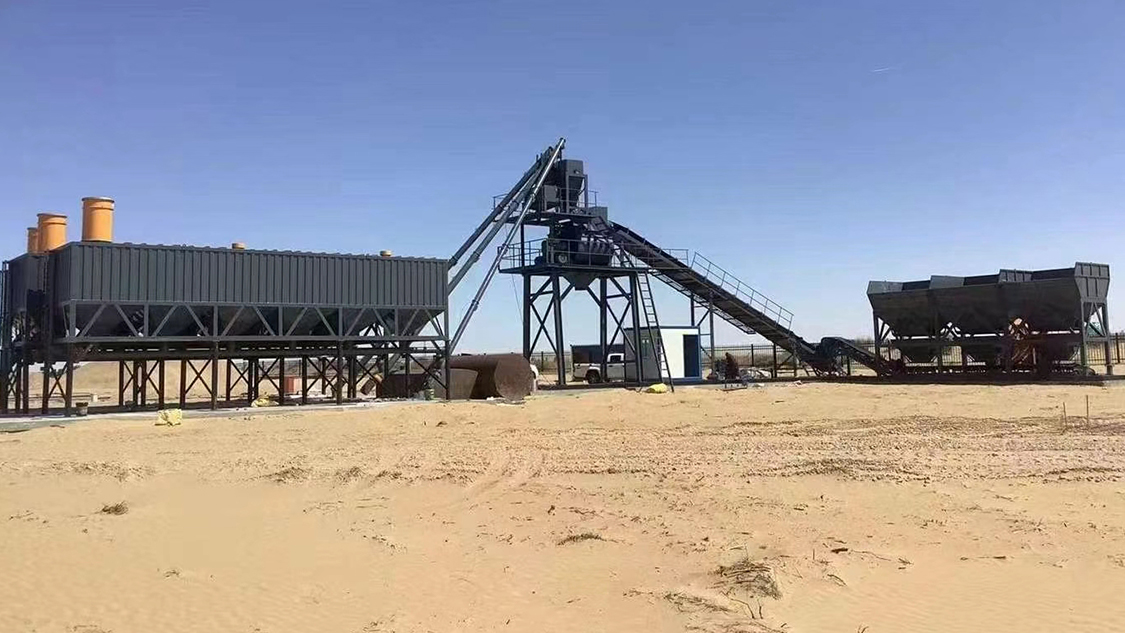
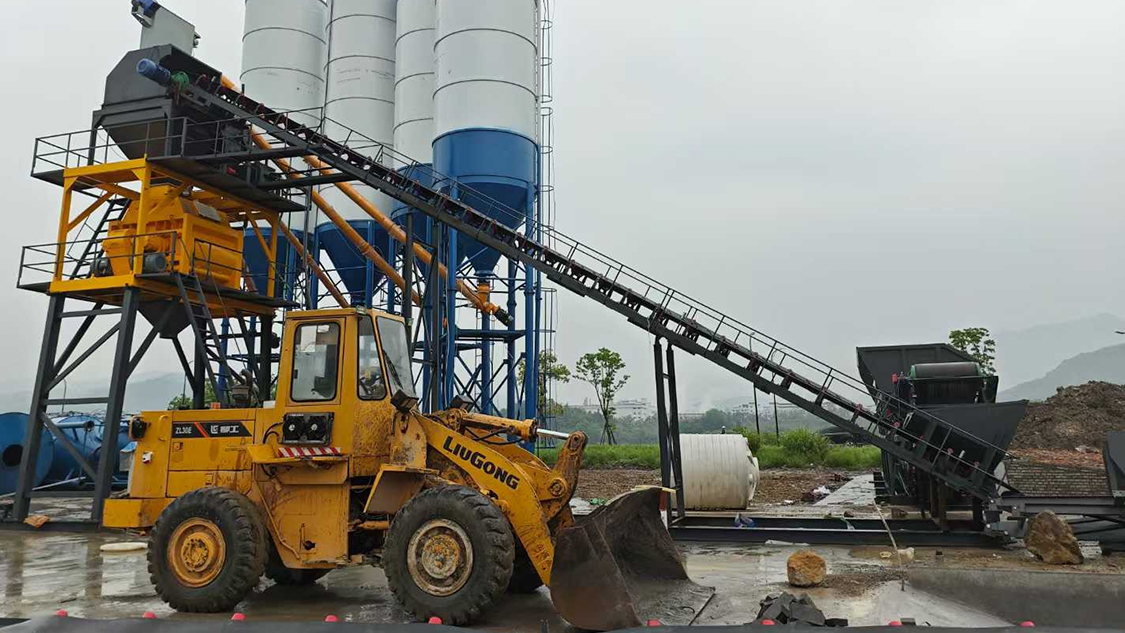
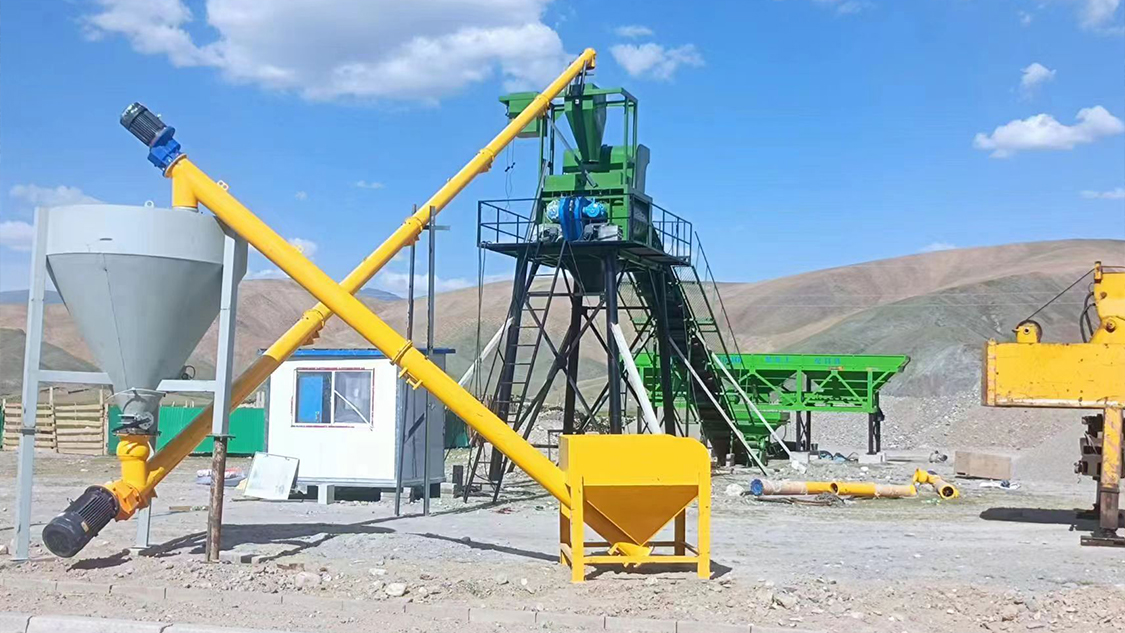
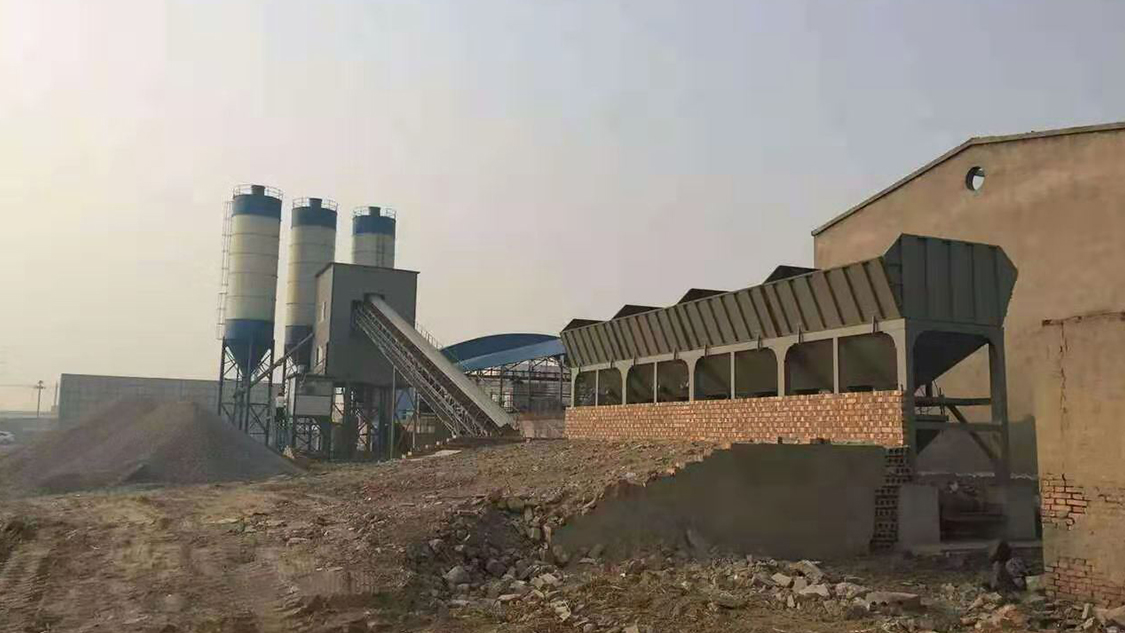
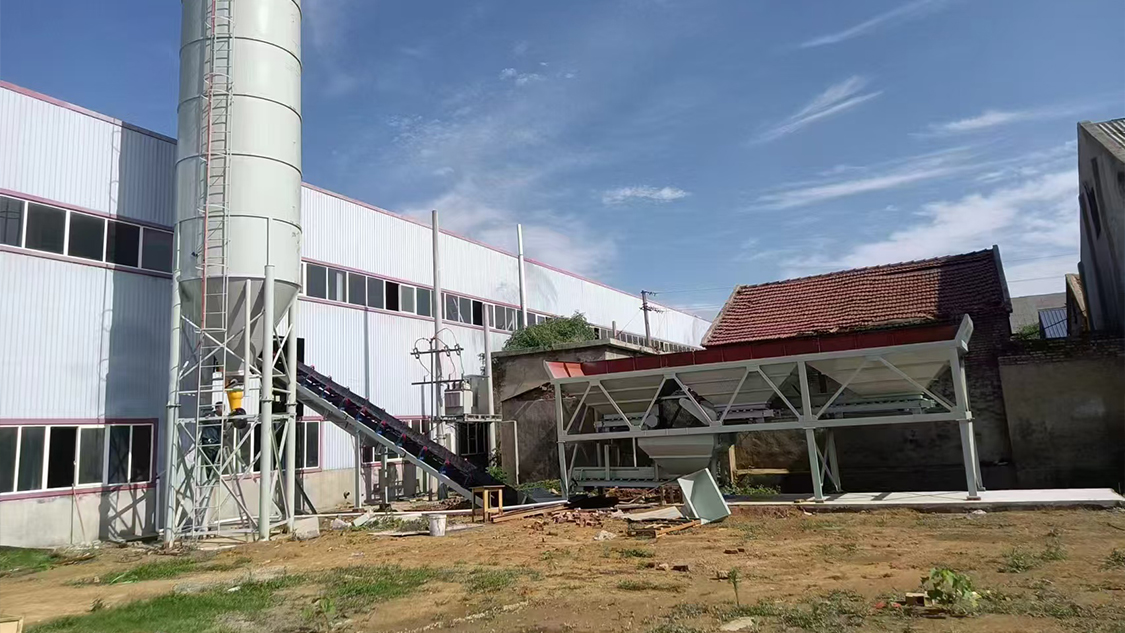
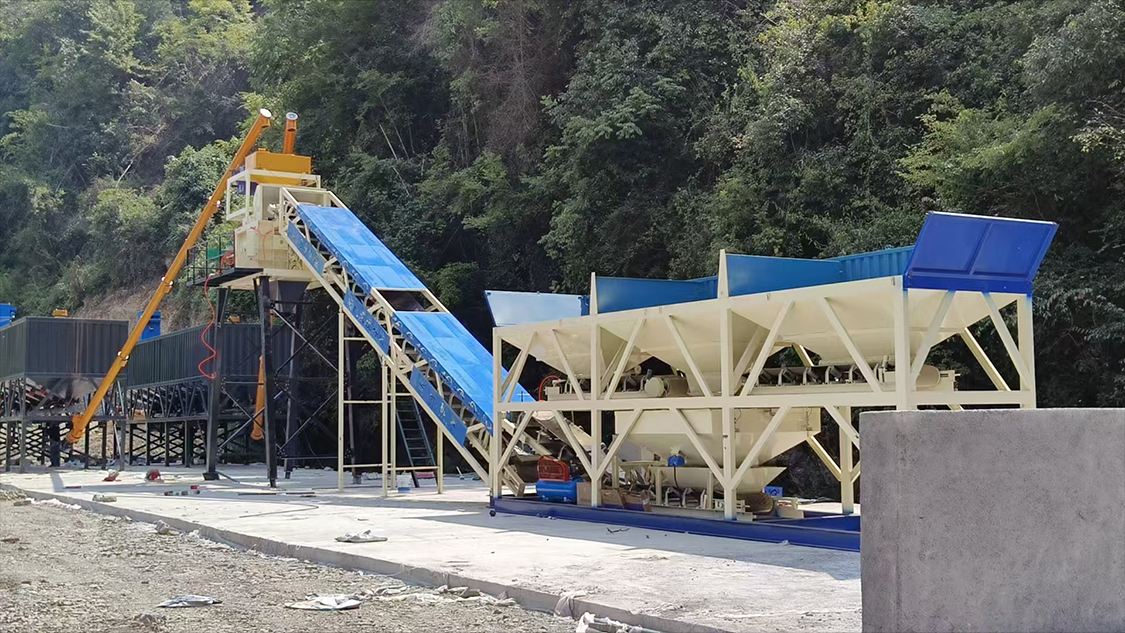
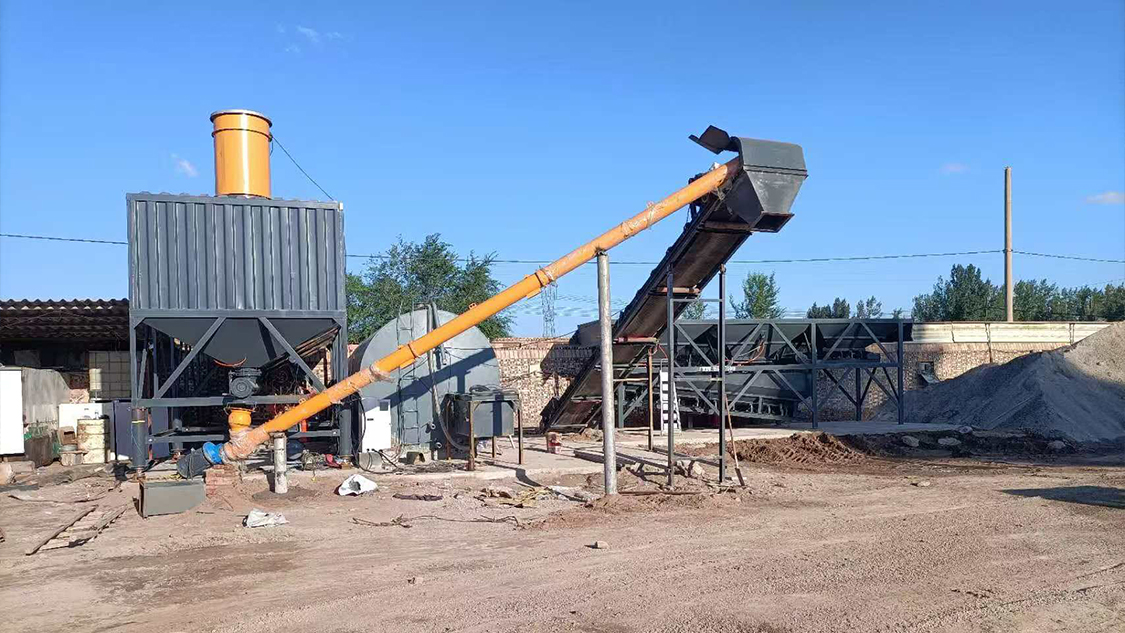
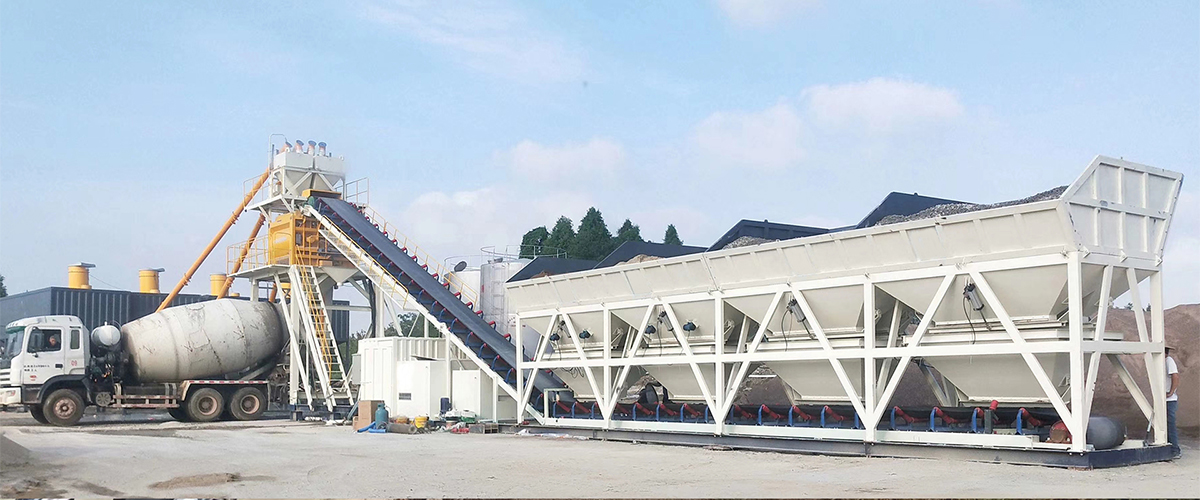
As a reputable and experienced manufacturer of concrete mixing plants, we have expanded our sales to over 100 countries, establishing a global presence to provide reliable and efficient solutions for concrete production across various regions.



SEND MESSAGE
Contact us immediately via email at jerry@hengyoucn.com, via WhatsApp +86 18737109227, or by filing out the form below.