
What is the Capacity of a Self-Loading Concrete Mixer?

Self-loading concrete mixers are an indispensable tool in modern construction projects, offering versatility and efficiency. These machines can complete the loading, mixing, transporting and placing of concrete with minimal labor on the construction site. As a buyer, how to understand the capacity of these machines and buy the model that suits you. Today, Hengyou will take you to an in-depth exploration of the capacity of self-loading concrete mixers, the factors that affect these capacities, and how to choose the right size for your project.
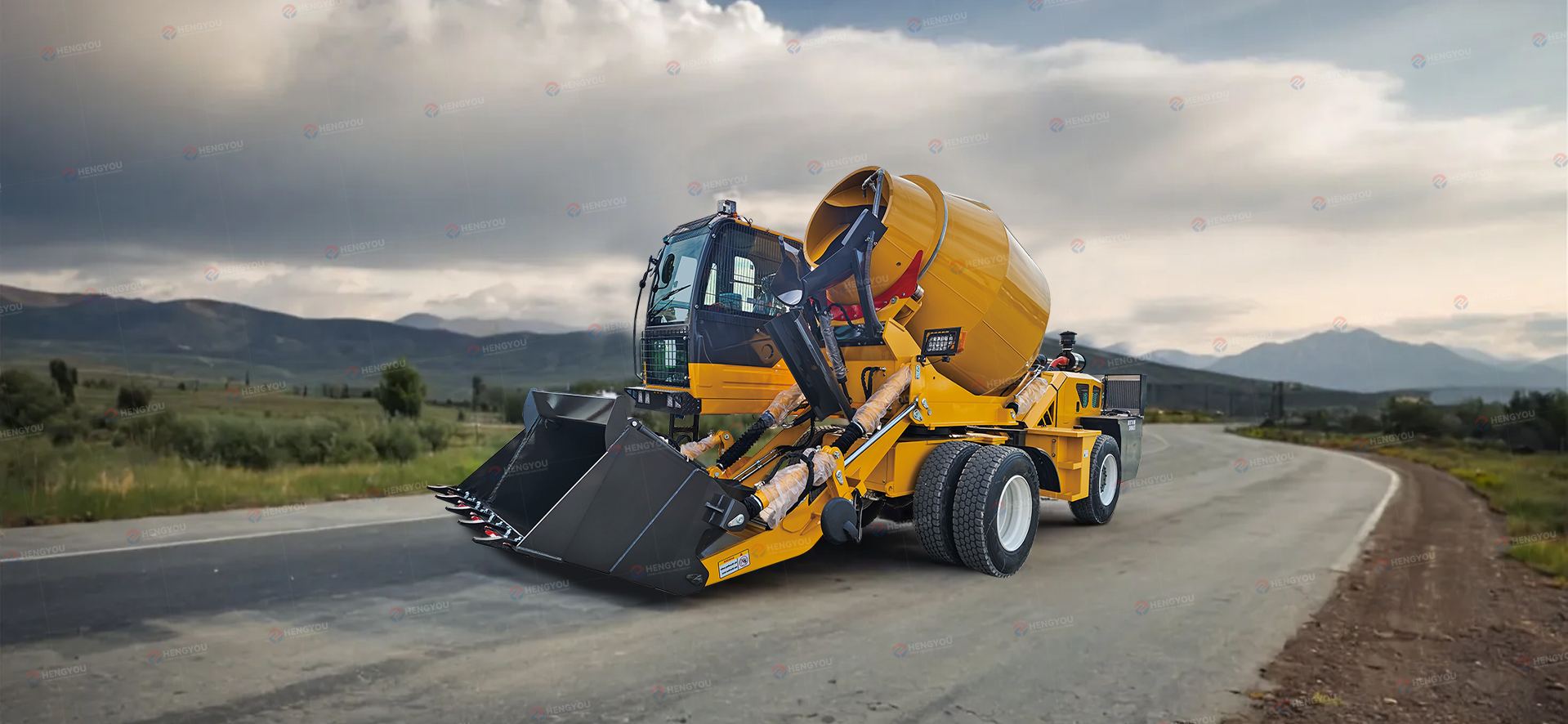
Understanding Capacity:The capacity of a self-loading concrete mixer is typically measured in terms of the volume of concrete it can produce in one batch. Commonly, capacities range from 0.5 cubic meter (m³) up to 6.5 m³ or more depending on the model. It's important to note that the rated capacity may differ slightly based on the density of the materials being mixed.
Several factors influence the effective capacity of a self-loading concrete mixer:
- Material Density: The type of aggregates used can affect the overall weight and thus the maximum load the mixer can carry without compromising stability.
- Design Specifications: Different models have varying designs that accommodate different volumes of concrete. Some are optimized for higher output rates while others focus on mobility and ease of use.
Selecting a self-loading concrete mixer with the appropriate capacity involves considering several aspects related to your specific project needs:
- Project Scale: Larger projects require higher capacity mixers to meet daily production demands efficiently.
- Site Conditions: Compact sites might benefit from smaller, more maneuverable units whereas open areas allow for larger machinery.
- Budget Constraints: Higher capacity machines generally come with increased costs both upfront and in terms of maintenance.
Practical Applications :
In a recent road construction project, a contractor utilized a self-loading concrete mixer with a capacity of 2.5 m³. This allowed them to maintain steady progress despite challenging terrain and logistical constraints. By reducing dependency on external batching facilities, they achieved significant cost savings and improved work efficiency.
Maintenance Tips :
To ensure optimal performance and longevity of your self-loading concrete mixer, regular maintenance is essential:
- Daily Checks: Inspect tires, hydraulic systems, and safety features before each use.
- Scheduled Servicing: Follow manufacturer guidelines for oil changes, filter replacements, and other routine services.
- Training Programs: Educate operators on best practices to prevent misuse leading to premature wear and tear.
Benefits of Using a Self-Loading Mixer

Self-loading concrete mixers are becoming increasingly popular in the construction industry due to their versatility, efficiency, and cost-effectiveness. Below are some of the key benefits of using a self-loading mixer for your construction projects:
1. Increased Efficiency
- All-in-One Solution: A self-loading mixer can load materials, mix concrete, transport it to the site, and even place it where needed—all in one machine. This reduces the need for multiple pieces of equipment.
- Time Savings: By automating the loading process, these machines significantly reduce the time required for batching and mixing concrete compared to traditional methods.
2. Improved Accuracy
- Consistent Mix Quality: Automated systems ensure that each batch is mixed to the same high standard, reducing variability and improving the quality of the final product.
- Precision Loading: The weighing system on self-loading mixers ensures that the correct proportions of materials are used every time, leading to consistent and reliable mixes.
3. Enhanced Mobility
- Versatile Operation: These mixers are highly mobile and can navigate through tight spaces or rough terrain, making them ideal for remote or hard-to-reach locations.
- On-Site Mixing: With the ability to mix concrete on-site, you eliminate the need for transporting pre-mixed concrete, which can be impractical or costly depending on the distance from the batching plant.
4. Cost Savings
- Reduced Labor Costs: Because the machine handles most of the labor-intensive tasks like loading and mixing, fewer workers are needed, reducing labor costs.
- Lower Transportation Costs: On-site mixing means no need for additional trucks to transport ready-mix concrete, saving on fuel and vehicle maintenance costs.
5. Environmental Impact
- Waste Reduction: Precise measurement and mixing lead to less waste, as only the required amount of concrete is produced.
- Fuel Efficiency: Modern self-loading mixers are designed with fuel-efficient engines, reducing emissions and lowering environmental impact.
6. Flexibility
- Adaptability: Whether you're working on small residential projects or large infrastructure developments, self-loading mixers come in various sizes and capacities to suit different needs.
- Multi-Purpose Use: Beyond just mixing concrete, these machines can also be used for other tasks such as transporting materials, making them versatile additions to any fleet.
7. Safety
- Operator Safety: Designed with safety features like emergency stop buttons and secure platforms, self-loading mixers help protect operators during use.
- Reduced Manual Handling: Minimizing manual handling of heavy materials reduces the risk of injury to workers.
8. Ease of Maintenance
- Simple Servicing: Regular maintenance is straightforward, thanks to accessible components and clear manufacturer guidelines.
- Durability: Built to withstand tough conditions, self-loading mixers often require less frequent repairs than traditional equipment.
The benefits of using a self-loading mixer extend far beyond mere convenience. They offer increased efficiency, improved accuracy, enhanced mobility, significant cost savings, and reduced environmental impact. For contractors looking to streamline operations while maintaining high standards of quality and safety, investing in a self-loading concrete mixer could prove to be a wise decision.
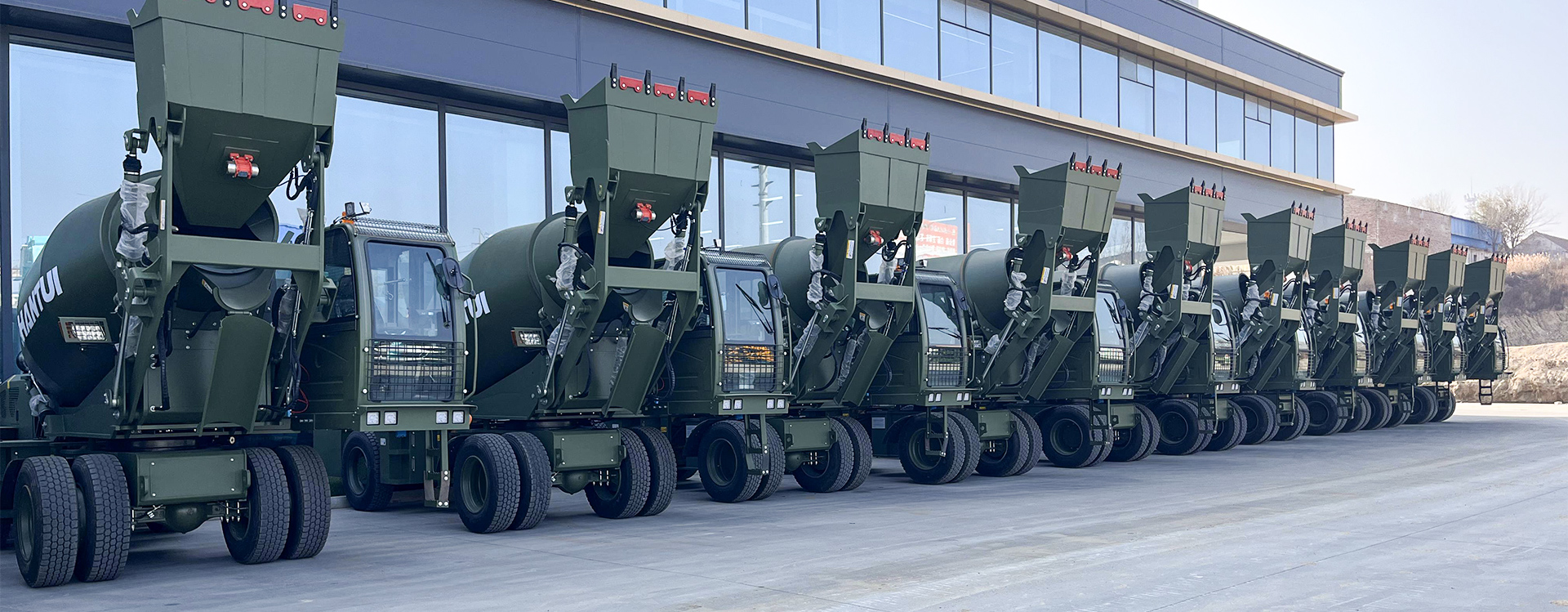
By carefully assessing your project requirements and considering all relevant factors, you can select the right self-loading mixer to maximize productivity and achieve successful outcomes in your construction endeavors. If you have specific needs or questions about how a self-loading mixer could benefit your projects, consulting with industry experts or manufacturers directly can provide valuable insights tailored to your unique situation.